
History of Human-machine-Art
The First Exhibition of Electronic Art in Europe in 1959
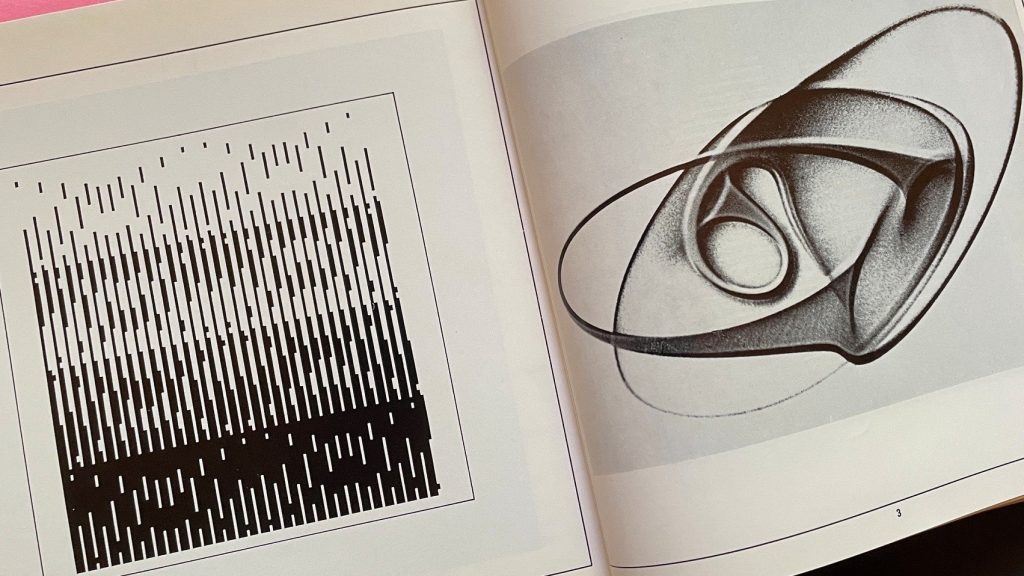
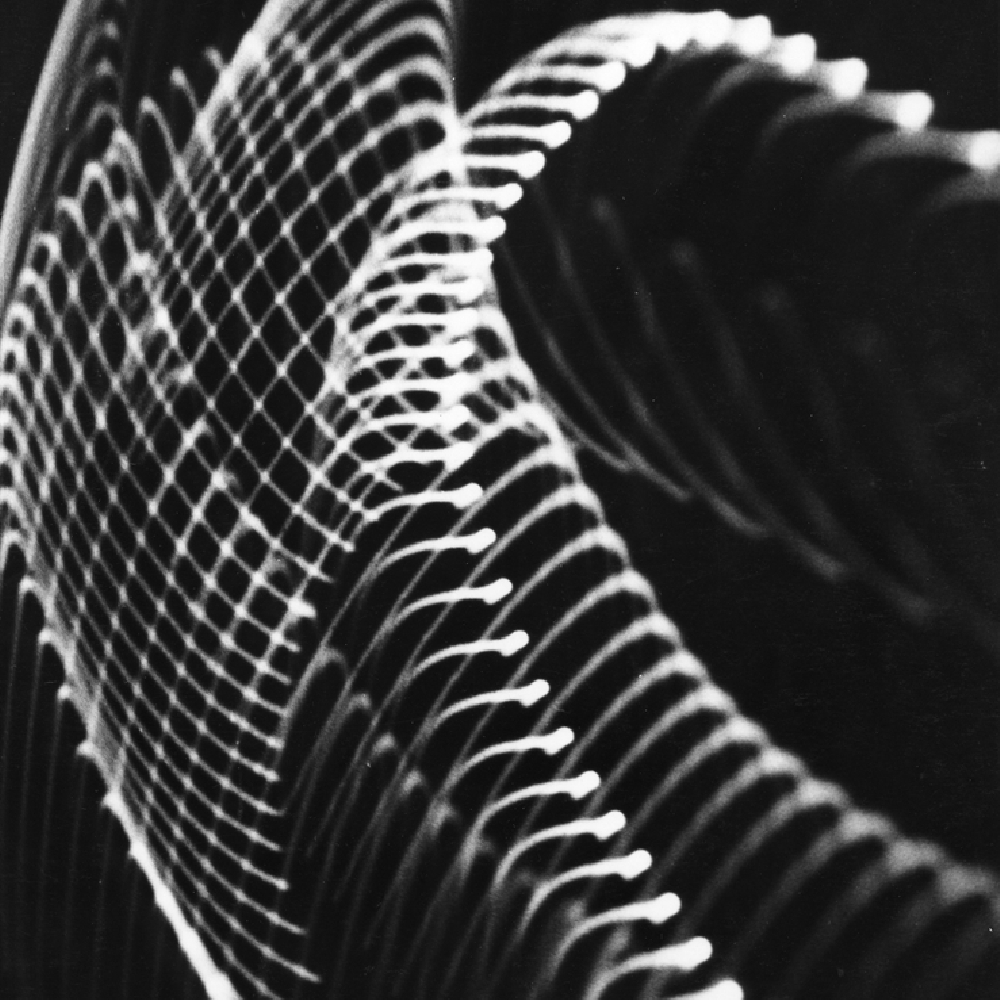
In 1959, the silent big bang of computer art occurred at the Museum of Applied Arts in Vienna. Herbert W. Franke’s exhibition Experimentelle Ästhetik (Experimental Aesthetics) combined works of generative photographic art with oscillograms, his earliest works, which were created algorithmically using an analog computer. Here we review this first exhibition, which was subsequently presented in Zurich, London and Munich. It was shown later: in 1966 at the Alpbacher Hochschulwochen (now European Alpbach Forum).


The Earliest Exhibitions “Ways to Computer Art” Curated by Herbert W. Franke
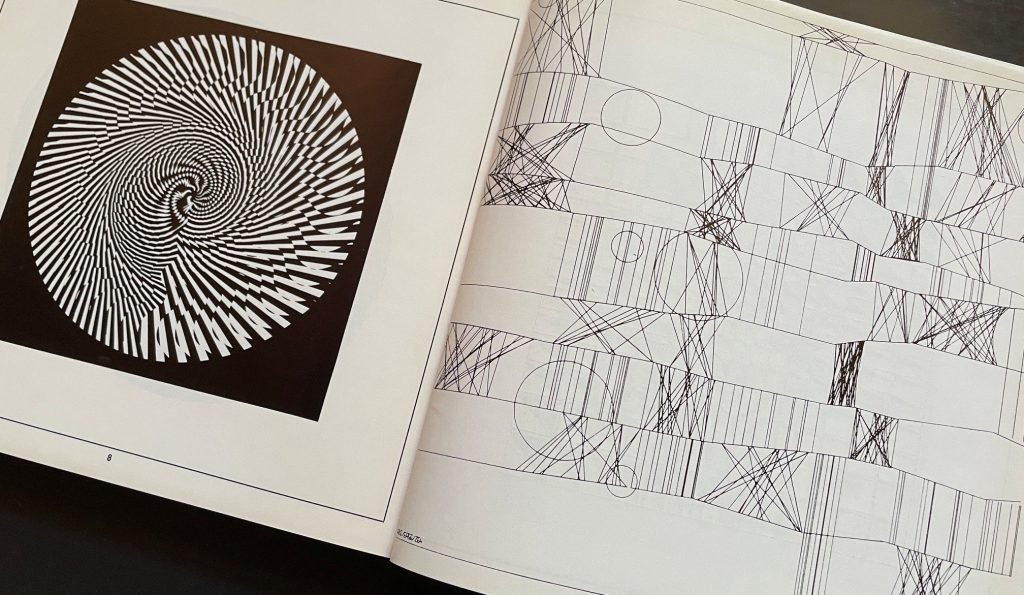
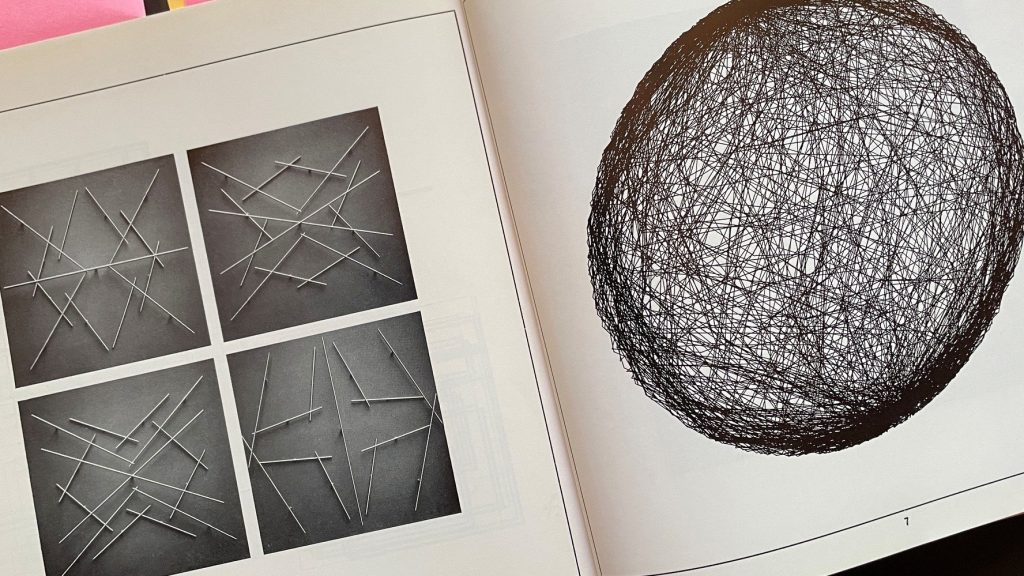
The 1968 summer conference The Computer in the University / Der Computer in der Universität, co-organized by MIT and TU Berlin in 1968, is considered today as a historic milestone through which MIT aimed to pass on its experience with multi-user systems to the German scientific community. Over 1,000 top researchers laid the foundation here for the recognition of computer science as an independent scientific discipline in Germany. Accompanying the event, Art from the Computer / Kunst aus dem Computer , curated by Herbert W. Franke, took place as one of the world’s first exhibitions of digital computer art. It became the nucleus which, under the original title Wege zur Computerkunst (Paths to Computer Art) chosen by Franke, of a travelling exhibition between 1969-73, also shown with the Goethe-Institut. 1975 Franke enlarged the concept of Wege zur Computerkunst commissioned by Goethe-Institut. This iconic exhibition travelled around the world until 1986 stopping at around 150 locations in three continents.