



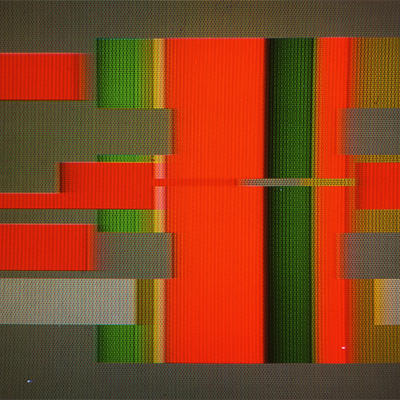
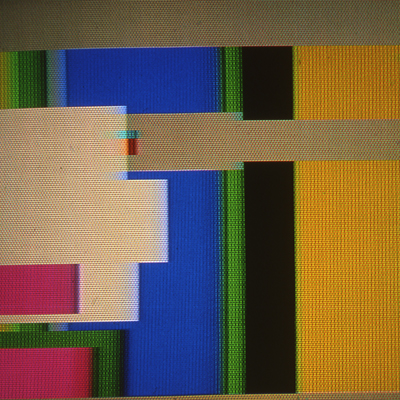
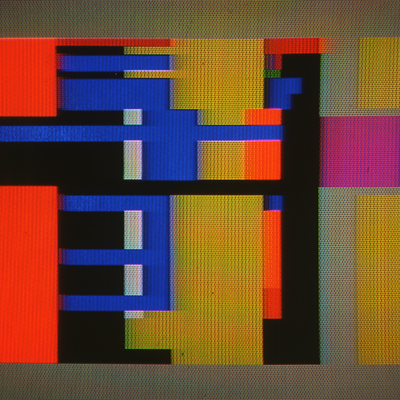
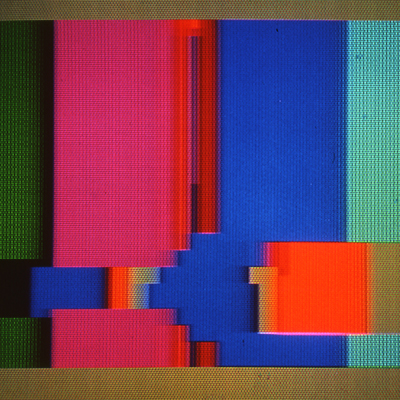
Program MONDRIAN (1979)
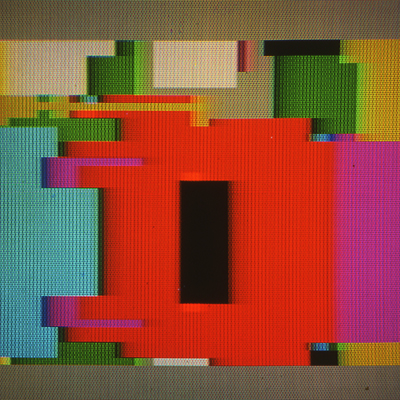
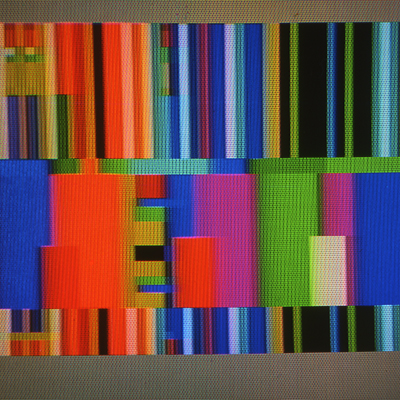
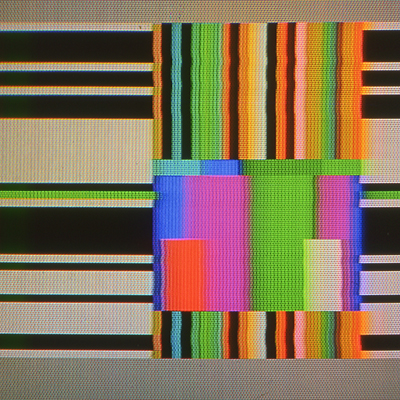
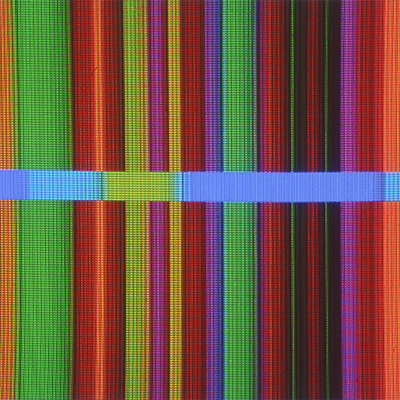
MONDRIAN is the name of a dynamic program for image and sound that Herbert W. Franke developed for Texas Instruments in 1979. It is named after the Dutch artist of the very same name, who was a pioneer of constructivism between the two world wars. Characteristic for him is the principle horizontal – vertical: arrangements of vertically crossing beams, mostly painted in rich colors. Franke’s artwork followed the opinion he had already propagated in the 1970s that there are four important points that will massively change visual digital art through codes—and all of them can be found in the MONDRIAN program:
1. The electronic screen, rather than the painted or printed image on the wall, is the new output device.
2. The possibility of freely designing digital art, including moving images—today called animations.
3. Digital code makes it possible to control image and sound works and thus integrate art forms.
4. The possibility of interactivity, in which the artist performing art or even the viewer can intervene.
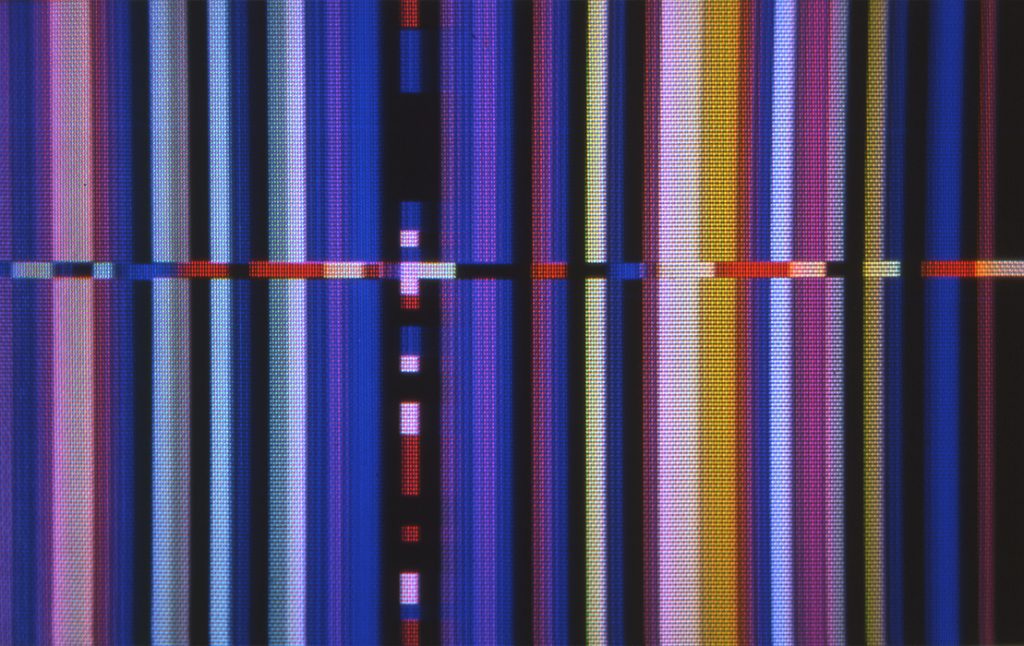
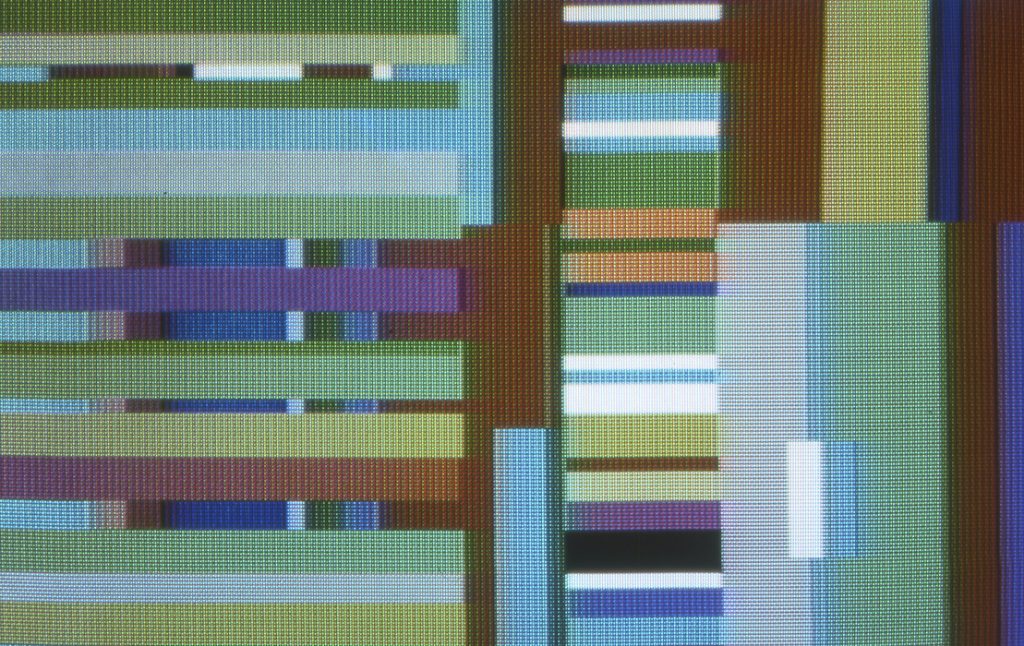
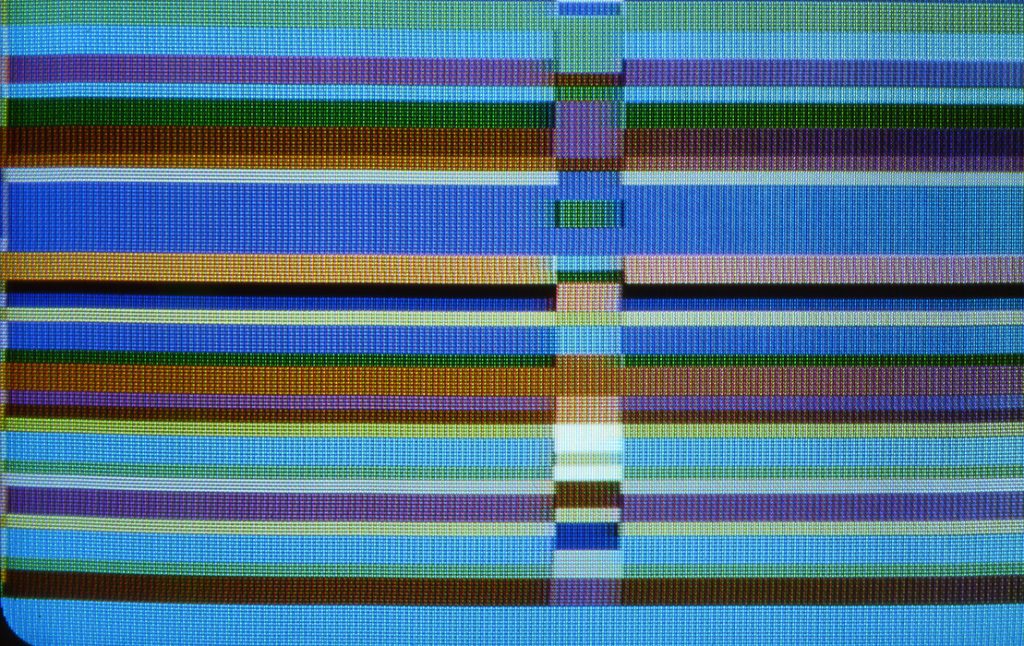
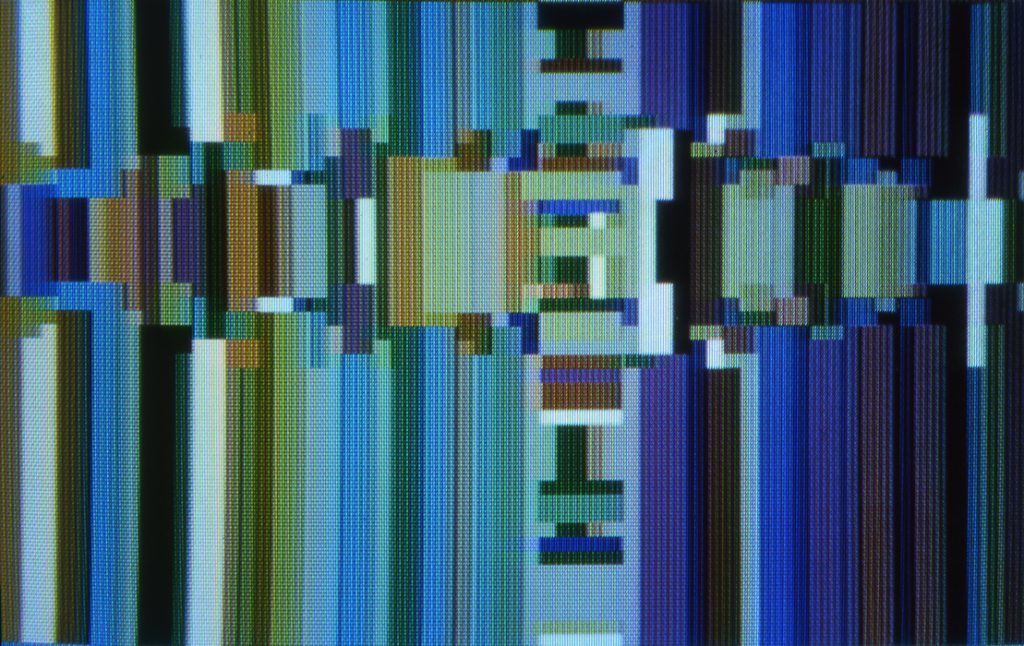
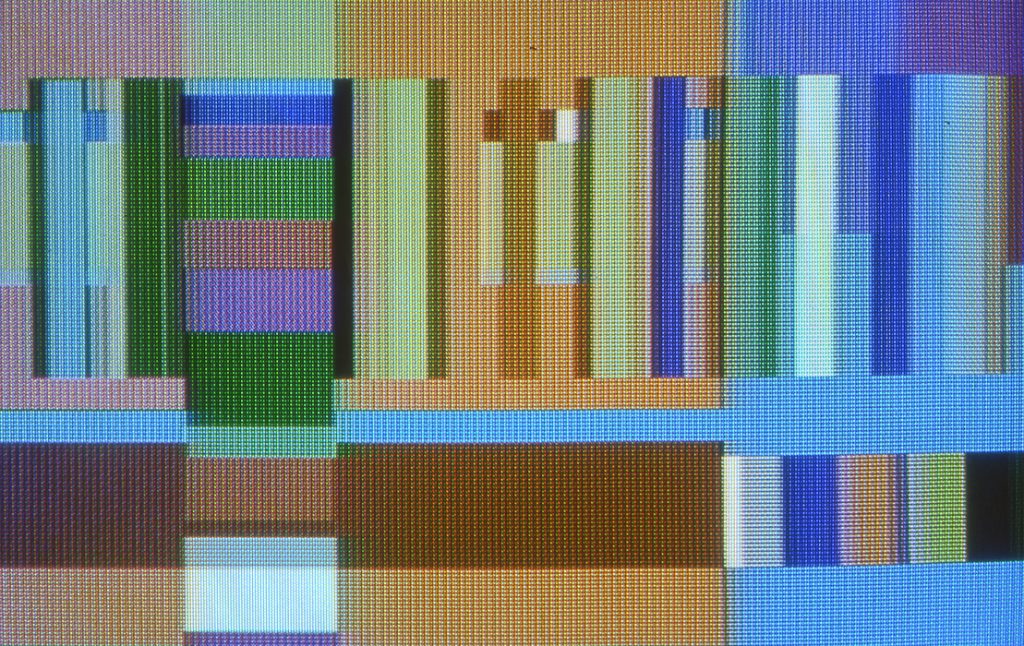
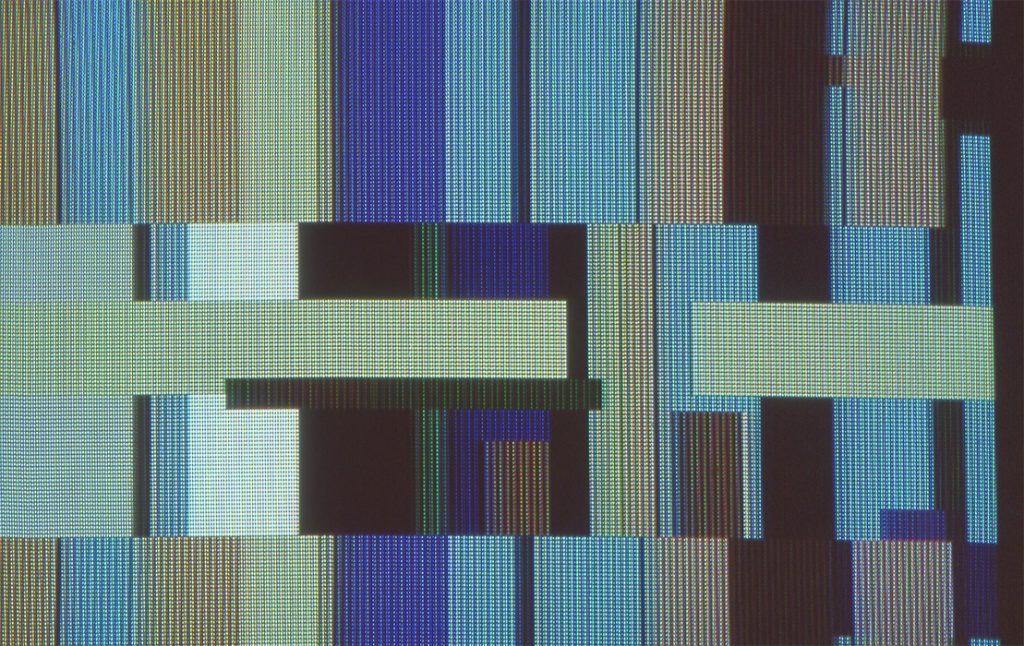
The program was developed for the Texas Instruments home computer 99/4. It can be used in two ways: First, it permits the selective construction of individual images–in a kind of step-by-step operation as a dynamic sequence in which the user can interactively intervene at any time. Secondly, however, it is also possible to design a „dynamic image“, a sequence of images that changes constantly on its own and whose algorithms run under random influence. In the endless-automatic operating mode, the program also generates algorithmically generated sound effects in parallel as a function of the image structures.