



The use of computers means breaking with some art traditions but, on the other hand, it may well lead to a breakthrough in art and a better, rational understanding of artistic phenomena.” — H. W. Franke, Leonardo, 1971
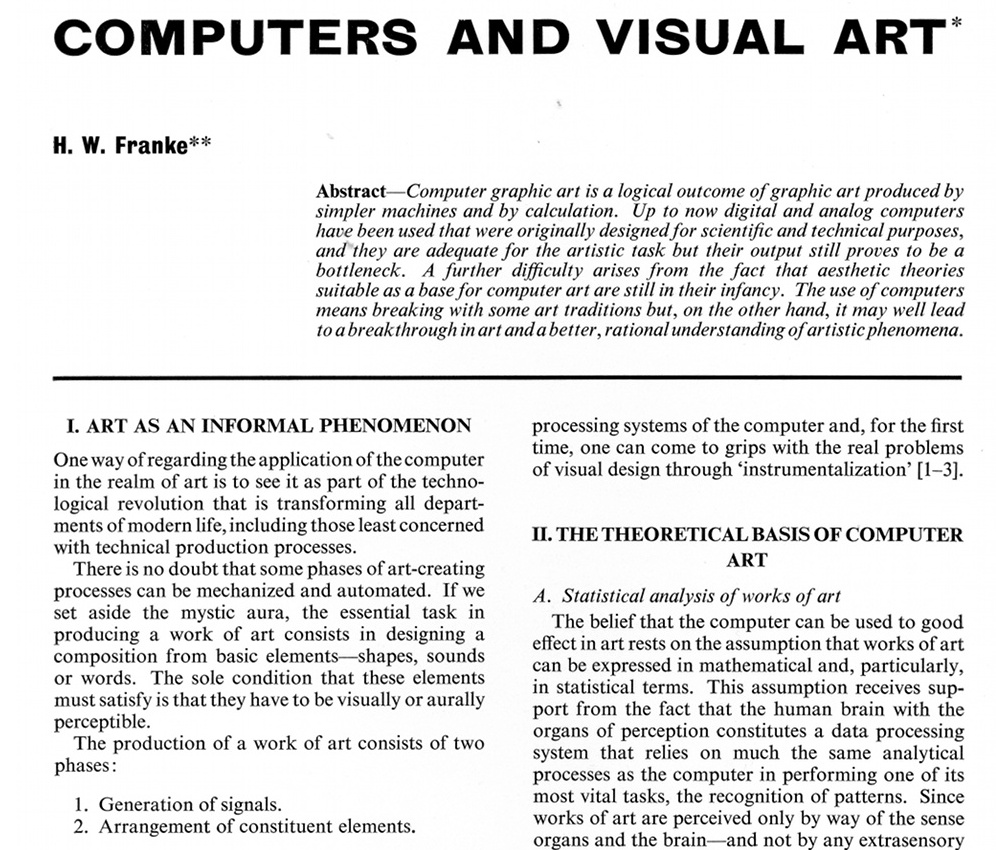
In the latest issue of the Paris based RCM Gallery newsletter, Robert Murphy reports on and comments about Herbert’s historic Leonardo article, ‘Computers and Visual Art’: “It ran eight pages, contained nineteen references, and was illustrated with work by nearly every important computer artist active at the time. It was, by any reasonable measure, the most comprehensive theoretical defence of computer art that anyone had yet attempted — and it appeared in the one journal that could give it scholarly legitimacy.“ Robert’s conclusion: „The article’s final section reads now as prophecy. Franke predicts that the unique value of the artist’s hand will diminish. Computer art can be duplicated and mass-produced. The “mystic veneration” of unique fabrication — the artist’s hand as guarantee of value — will eventually be abandoned. He anticipates interactive art. He describes a future in which the viewer will be able to tune in on a display terminal and vary programmes to suit personal taste — becoming, in effect, a co-creator. This is a description of generative art platforms, written in 1971.“ Referring to the market, Robert finally says: ”Franke’s article serves as a map. The artists he identified as significant in 1971 are, with few exceptions, the ones whose work commands the strongest prices today: Nees, Nake, Mohr, Csuri, Cordeiro. The ones he named who remain undervalued — Barbadillo, Struycken, Lecci, the Argentine group — represent opportunities the market has not yet priced in.“ Herbert’s Leonardo article was originally published in the German computer science journal Elektronische Datenverarbeitung (later renamed Angewandte Informatik), No. 2/1970. The original German manuscript is accessible online in the Herbert W. Franke Archive of ZKM (database of Herbert’s digitised manuscripts, no. ZKM-01-0122-02-00879).
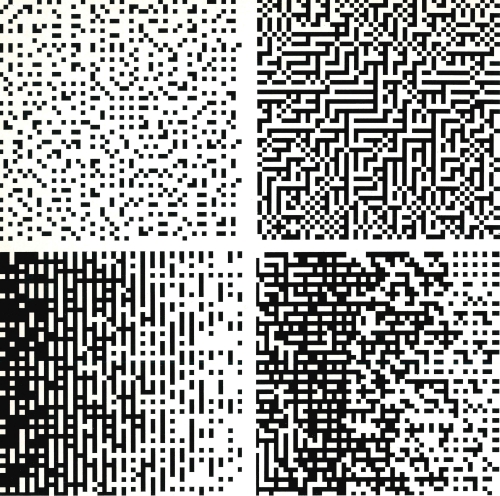
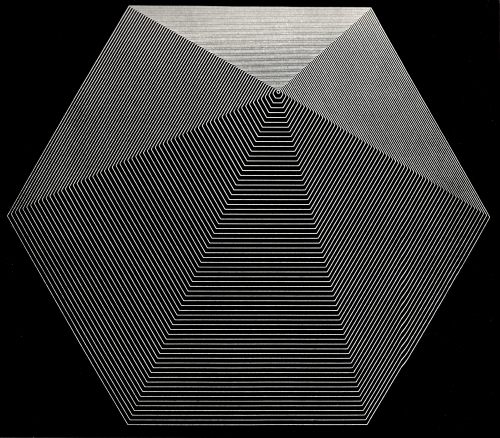
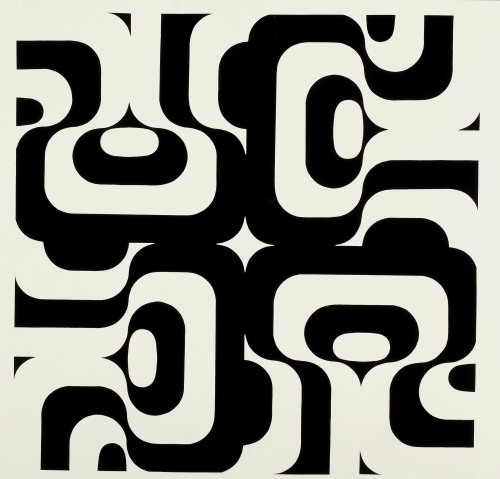
Referring to the market, Robert means: ”Franke’s article serves as a map. The artists he identified as significant in 1971 are, with few exceptions, the ones whose work commands the strongest prices today: Nees, Nake, Mohr, Csuri, Cordeiro. The ones he named who remain undervalued — Barbadillo, Struycken, Lecci, the Argentine group — represent opportunities the market has not yet priced in.“
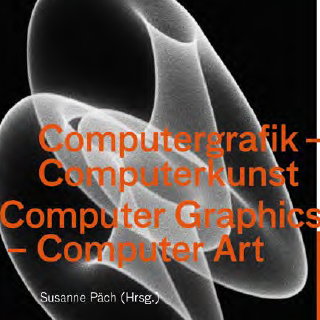
These pioneering works and many more will be shown in the re-print of the Edition Herbert W. Franke, Volume 2, Computer Graphics – Computer Art from 1971. The first two volumes are currently being prepared by Deutscher Kunstverlag, a member of the De Gruyter publishing group, in cooperation with the Foundation. Herbert W. Franke first published similar ideas in his seminal book Kunst und Konstruktion in 1957. It will be printed first time in an English edition as the first volume of the Edition Herbert W. Franke.