



Fourier Transformations Series (1979-1995)
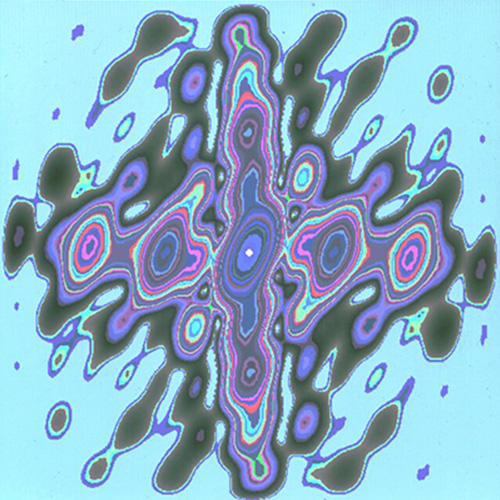
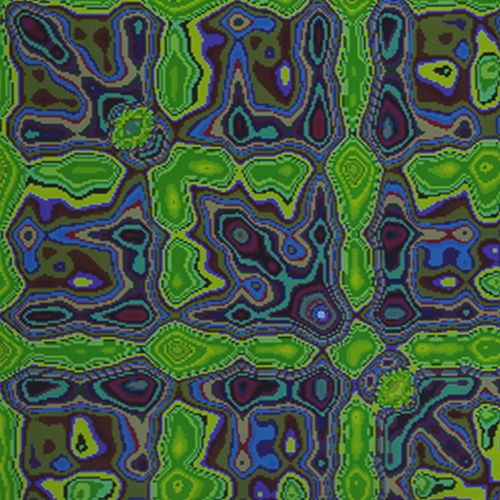
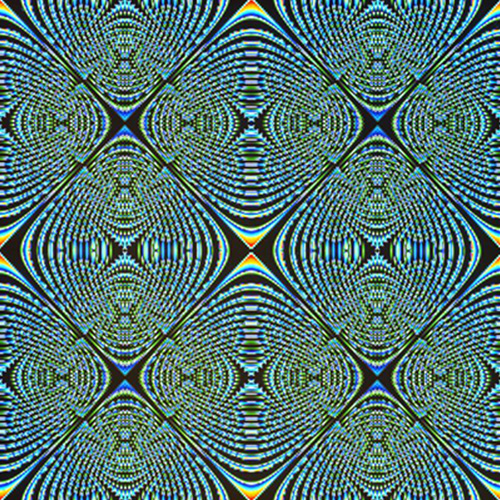
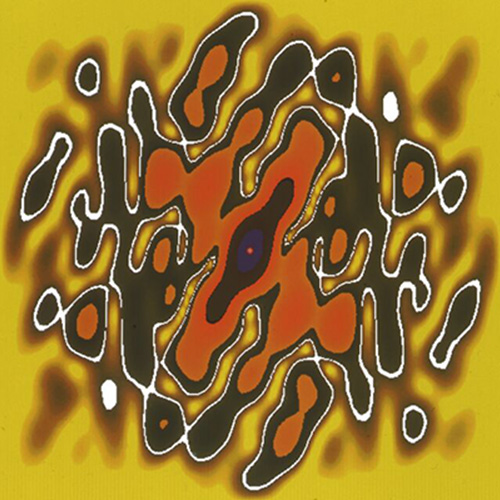
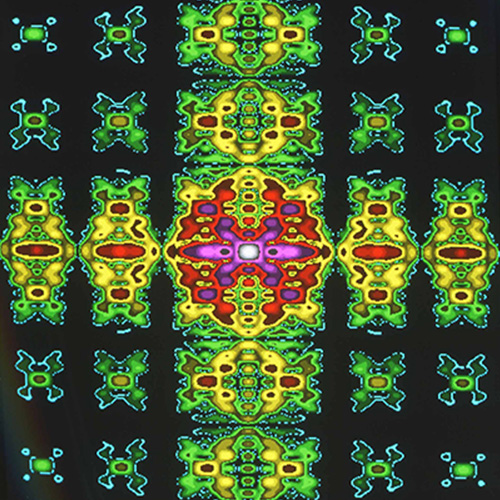
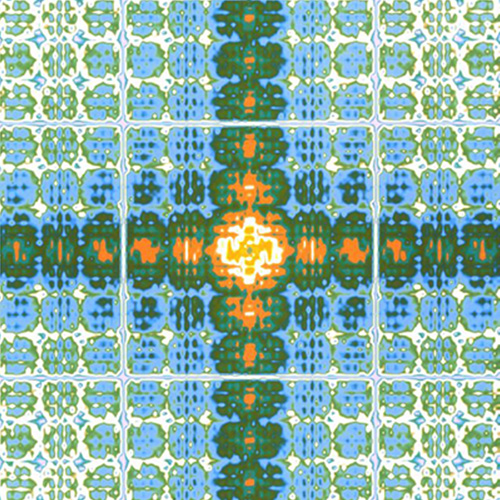
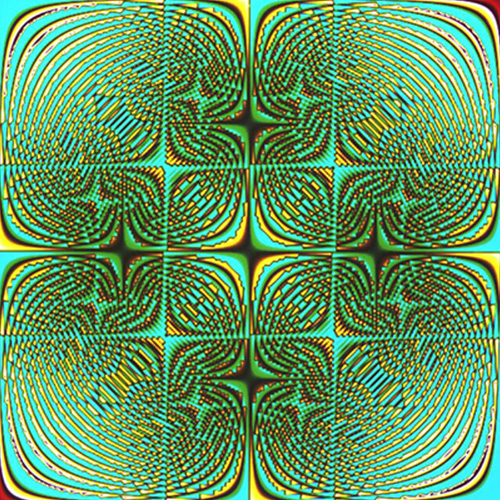
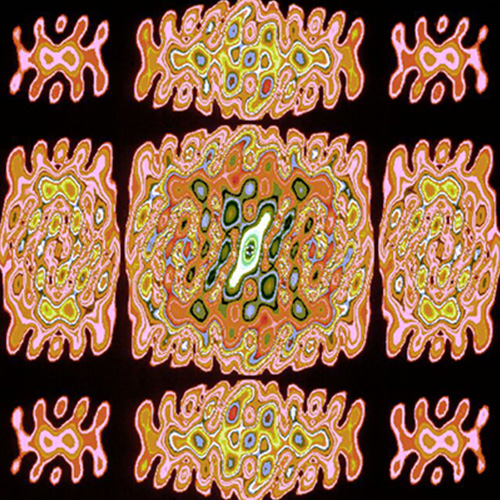
The image series Fourier Transformations was created as part of Herbert W. Franke’s research into Math Art, in collaboration with physicist and programmer Horst Helbig at the German Aerospace Center DLR in Oberpfaffenhofen. The project began in 1979, when Dr Triendl — the director of DLR’s Communications Technology Institute — got in touch with Franke to express his interest in the relationship between mathematics and art. Herbert suggested doing some work with Fourier transformations, a typical mathematical method in communications technology. They started with two images of Fourier transformations. Dr Triendl then introduced Franke to his colleague, Horst Helbig. The two men collaborated on the project for 15 years, progressing from Fourier transformations to algebraic formulas, field equations, complex numbers and stochastics. The project ended when the machine and software DIBIAS that they had been working with was discontinued and DLR introduced the NASA system.
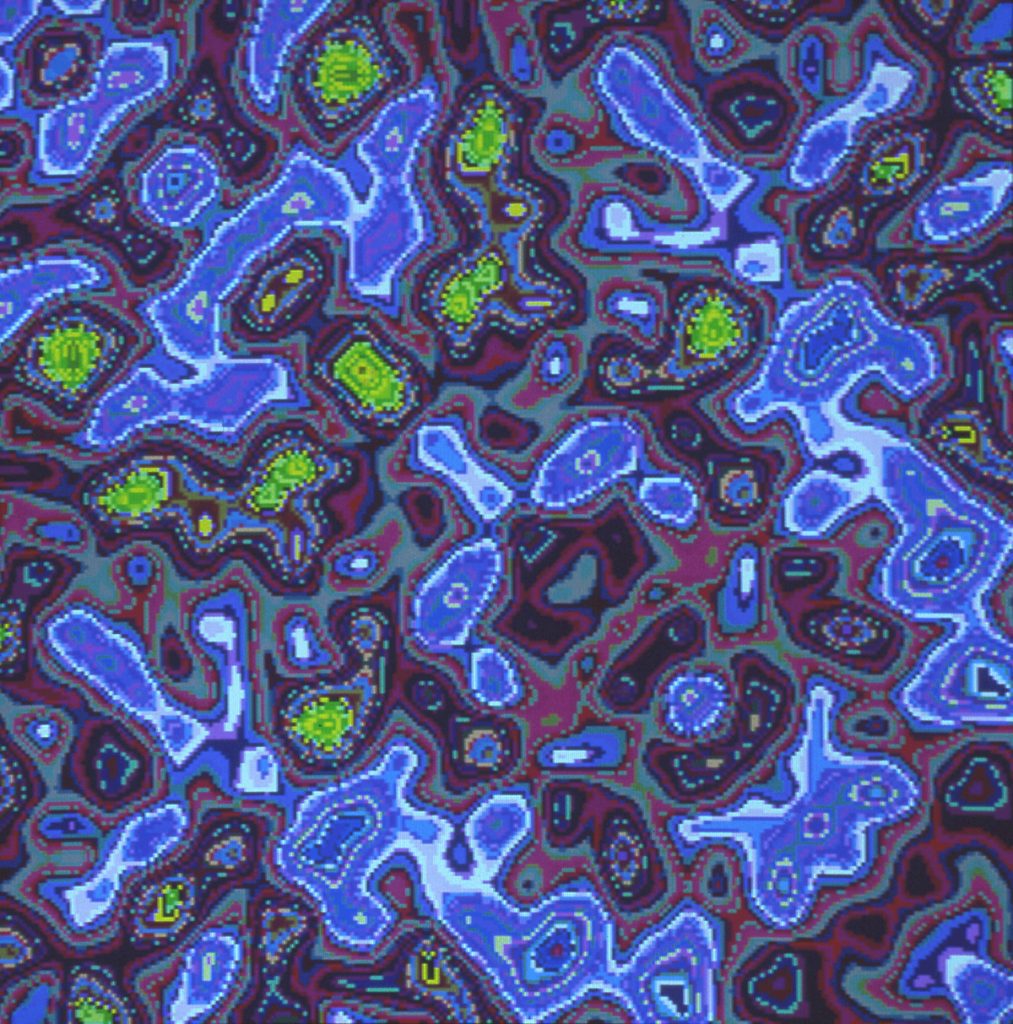
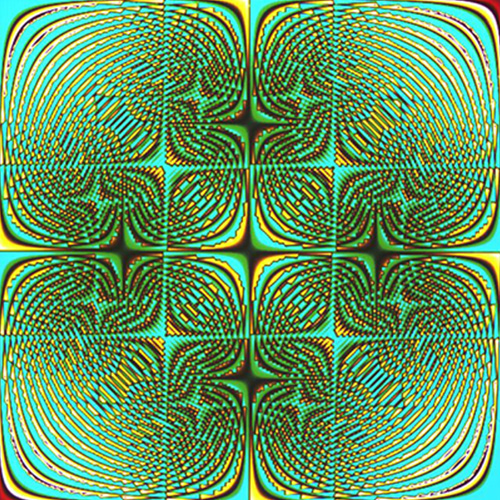
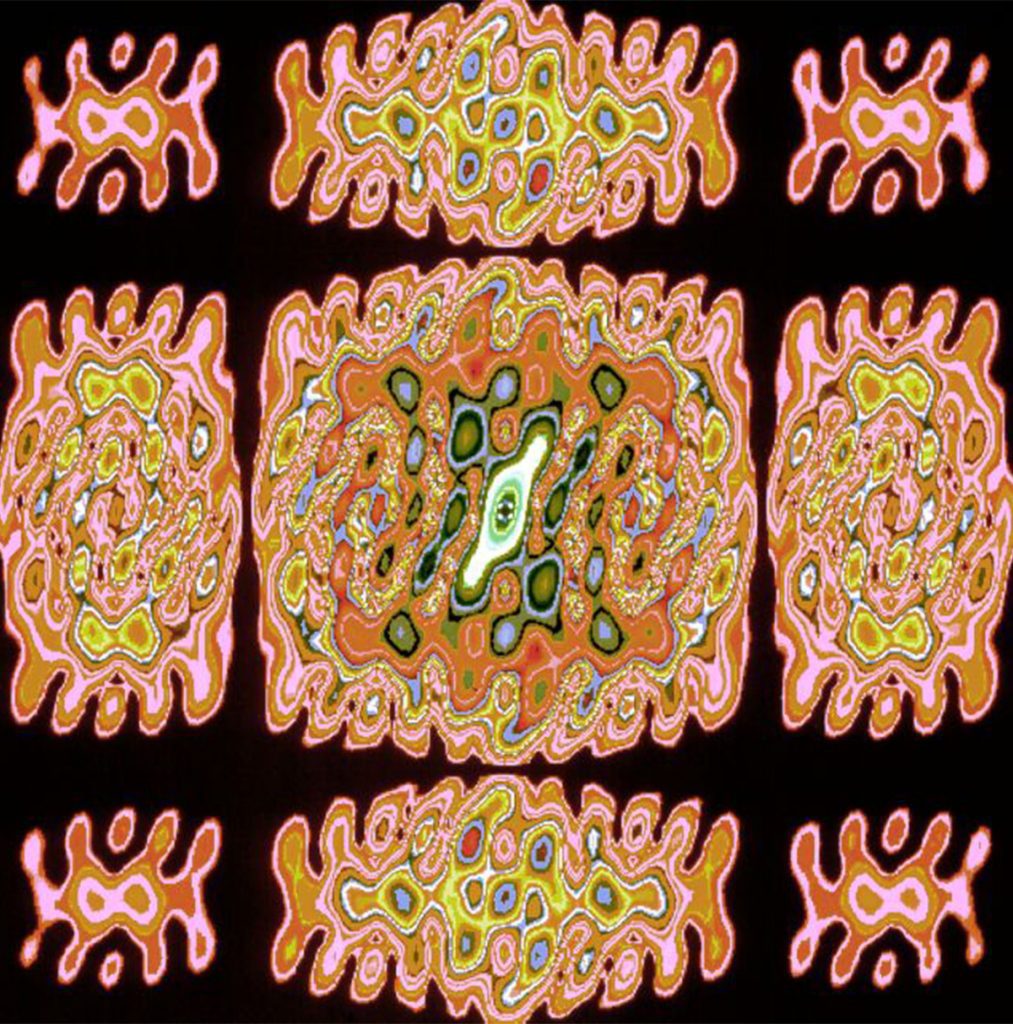
Fourier transformations are based on mathematical principles that were theoretically developed as early as the 19th century and are of great importance in communications engineering today. They are used in digital data evaluation for signal improvement and noise reduction: from satellite signals to medicine, as well as for data compression, for example for streaming TV data on the Internet or for telecommunications. With the series of Fourier transformations, Franke and Helbig used the mathematical principles of Fourier analysis for numerous artistic experiments. This results in typical ornamental structures with symmetries and symmetry breaks, which can be finely chiseled or even surface-integral. Incidentally, the math art series of letters was also realized with such Fourier transformations.
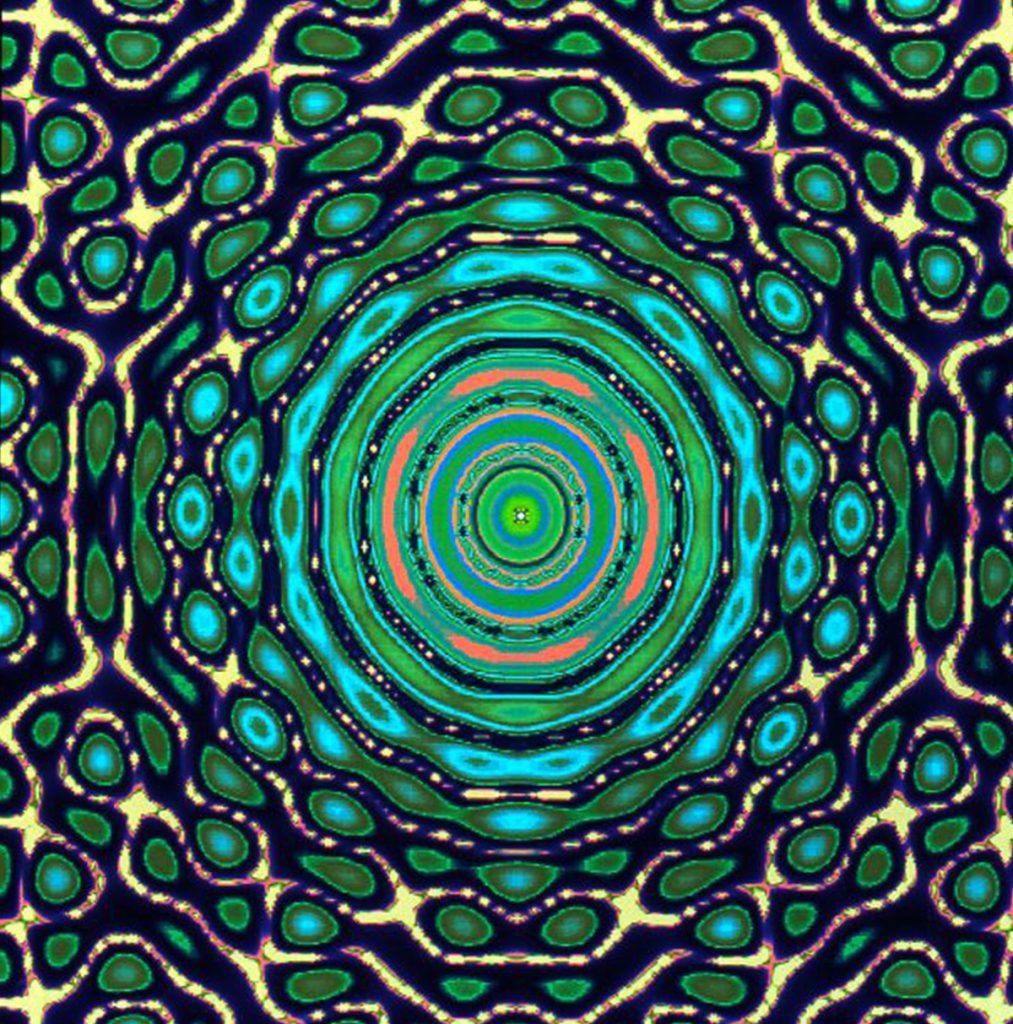
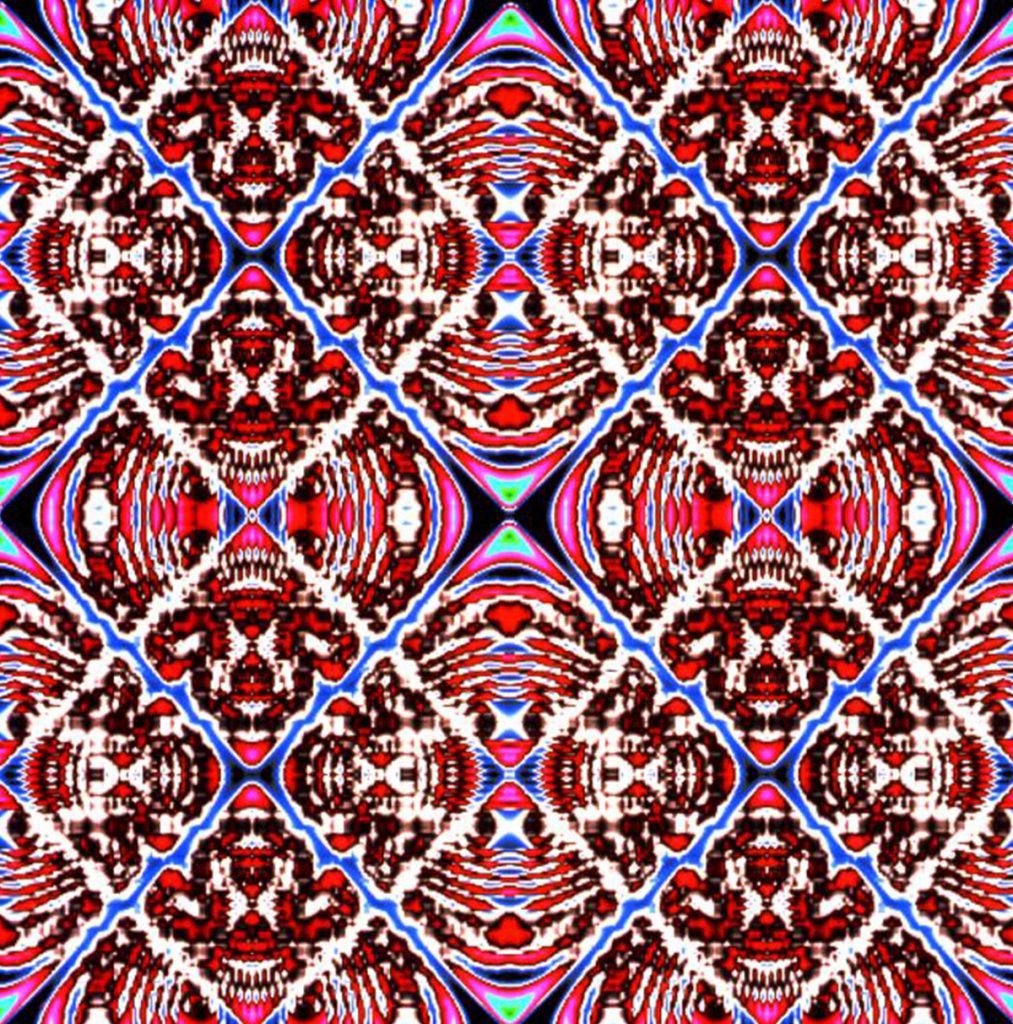
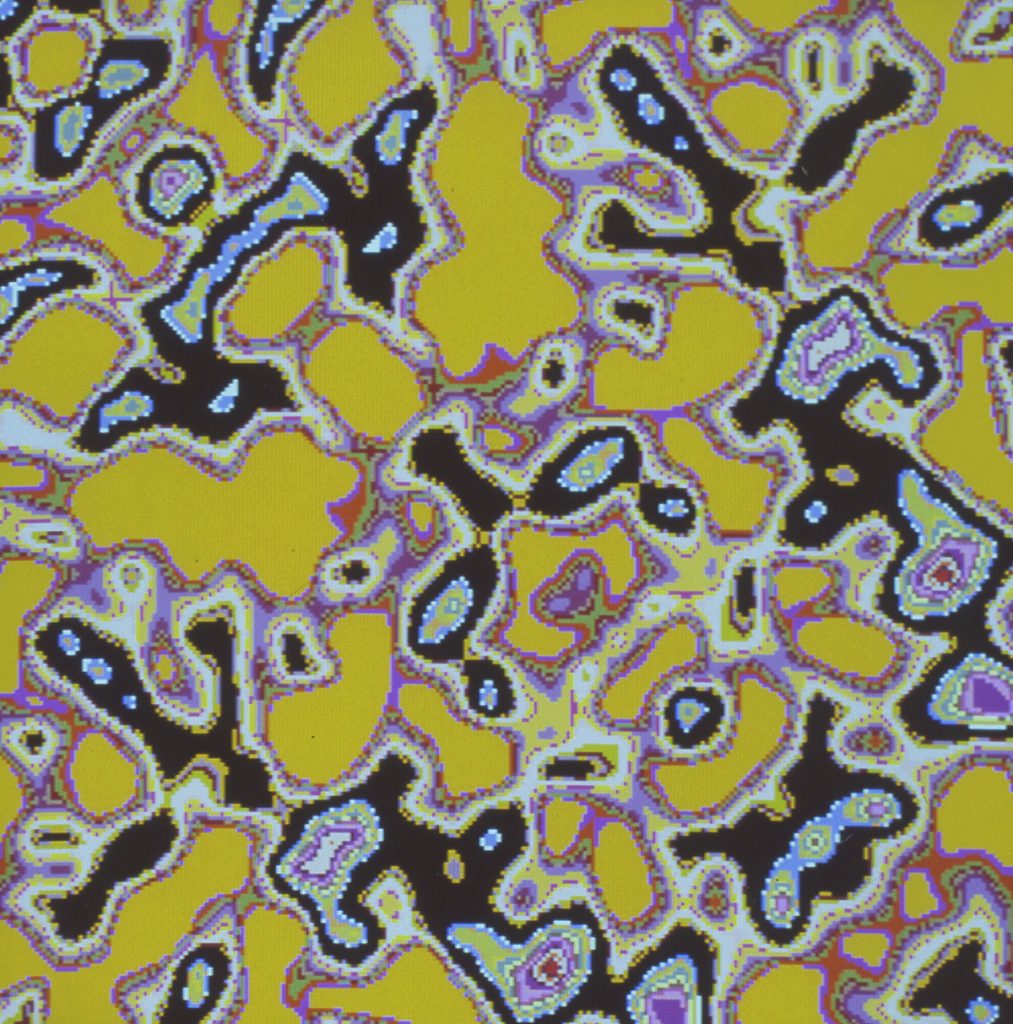
The term Math Art summarizes the results of a long series of experiments that Herbert W. Franke carried out together with the physicist and programmer Horst Helbig from 1980 onwards. It was about the use of mathematical methods, which were not developed and used for scientific purposes, but for aesthetic purposes. The main goal of the 15-year project (1980-1995) was the investigation of numerous mathematical disciplines regarding their aesthetic dimension and the visualization of complex mathematical relationships from algebraic formulas to stochastic relationships. In the course of the work, not only was the aesthetic dimension of formulas and functions explored, but a whole series of new graphic routines were also created, which were integrated into the software DIBIAS (for digital image evaluation system) as a fixed component, including representations in 2D and 3D as well as further processing with the methods of image transformation (picture processing). The heart of the Perkin-Elmer 32/52 concurrent computer was a Comtal Image Processing System and the software DIBIAS with a resolution of up to 2048 x 2048 pixels and approx. 16 million colors.