





From Algebra to Random (1979-1995)
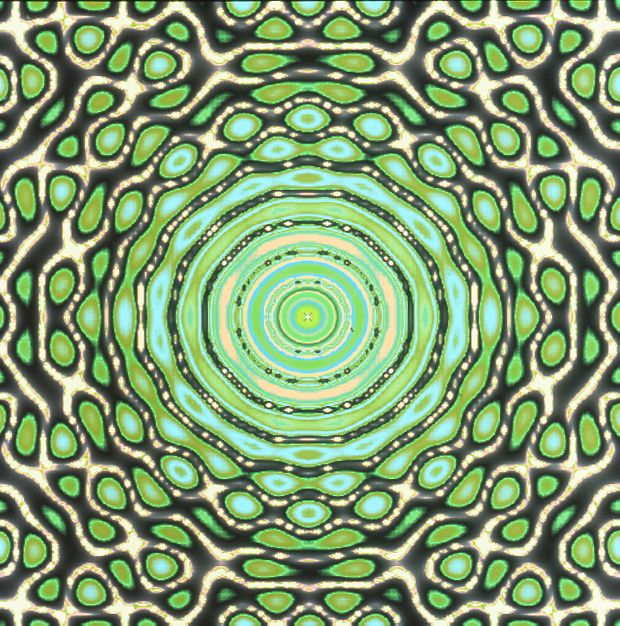
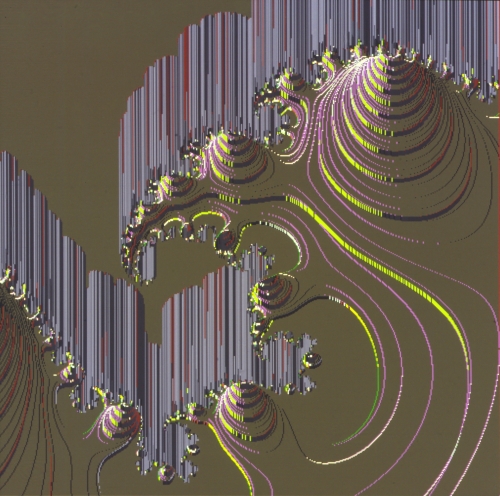
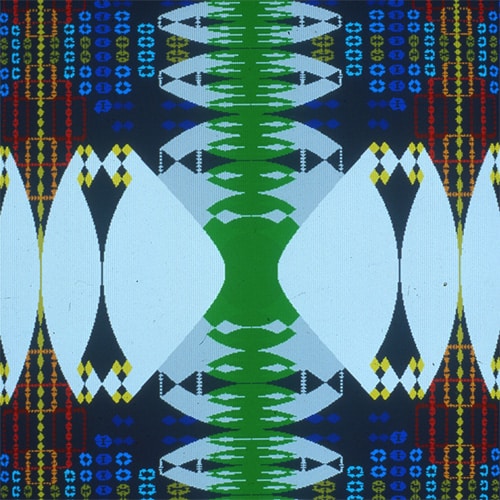
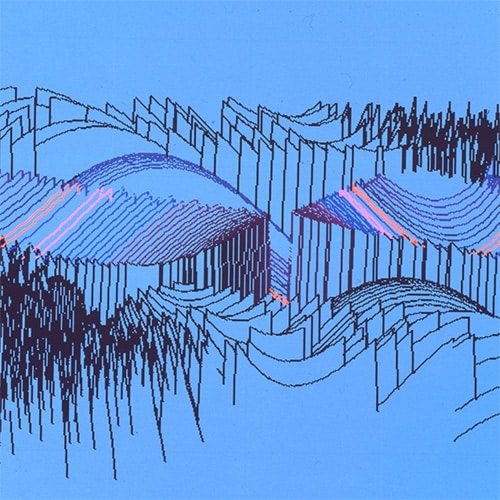
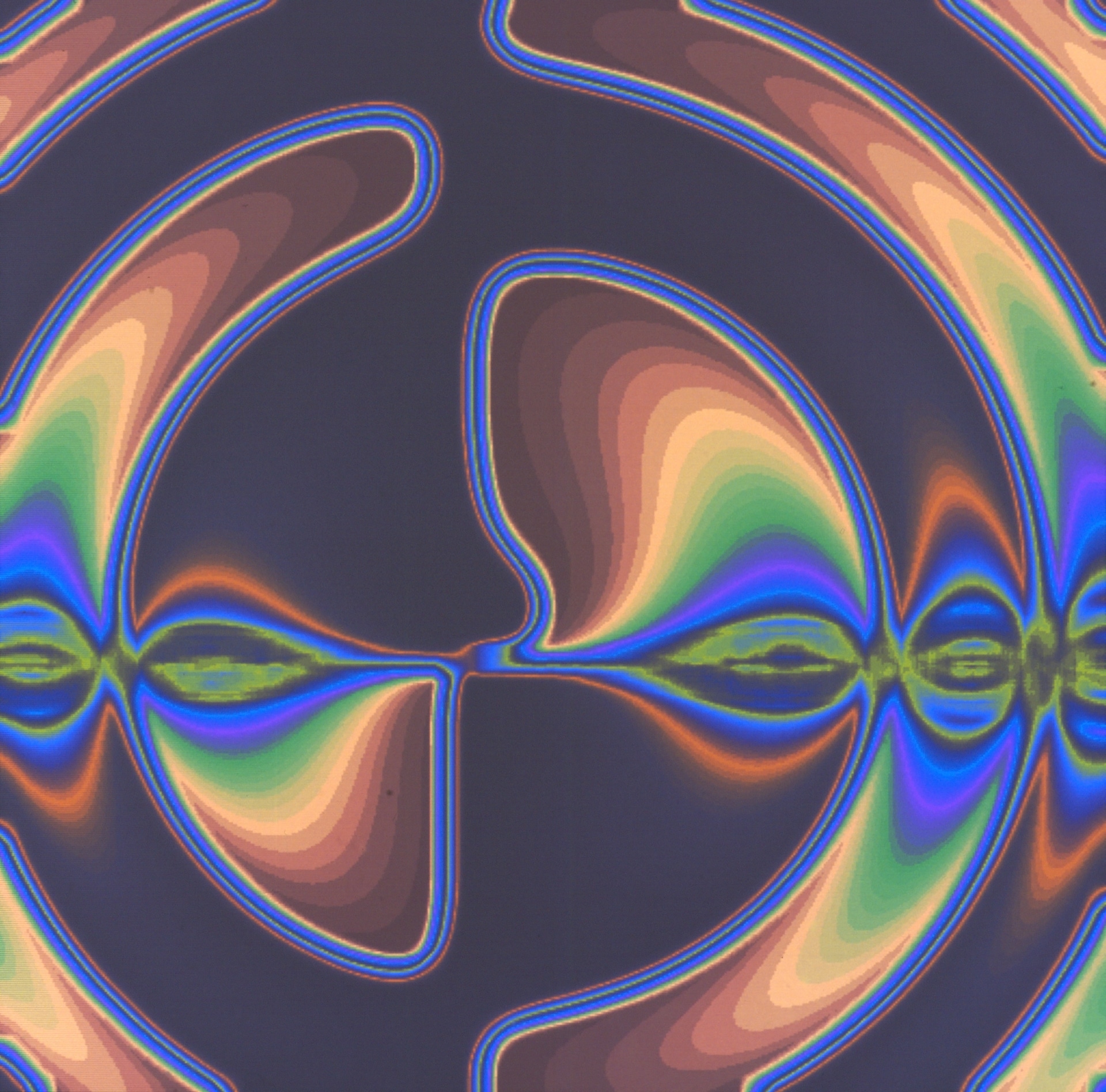
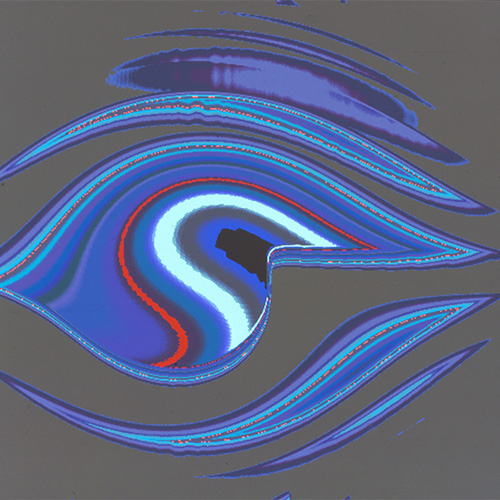
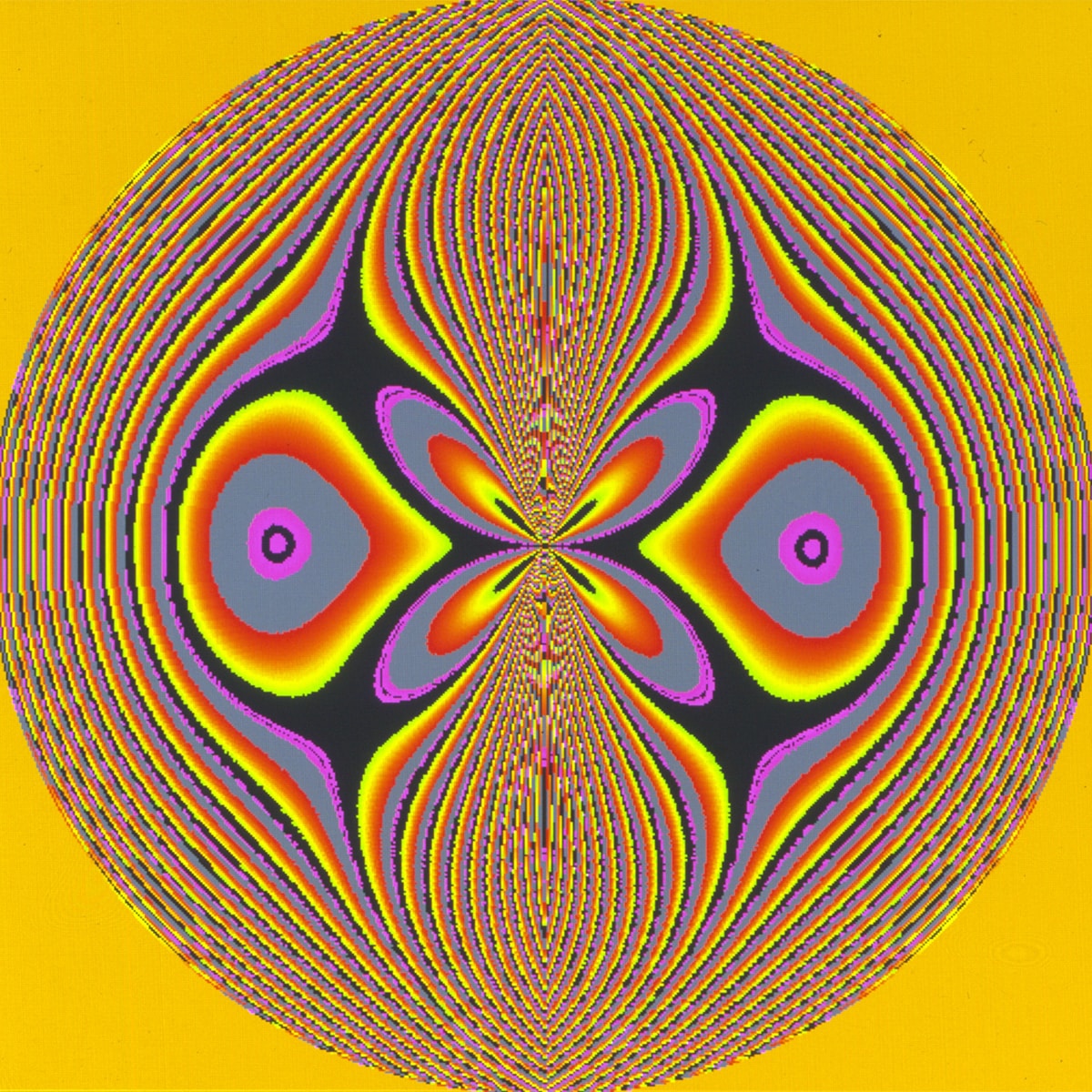
The term Math Art sums up the results of a long-term series of aesthetic experiments conducted by Herbert W. Franke. The experiments started with Ernst Triendl, who was then the head of the Institute of Communications Technology at the German Air and Space Center. This cooperation showed the first images of Fourier transforms. A few weeks later, Triendl referred Franke to his colleague, the physisist and software engineer Horst Helbig. This marked the beginning of a 15-year collaboration of Franke with Helbig. This project involved the use of mathematical methods developed and utilized for aesthetic rather than scientific purposes. The primary goal of the 15-year project was to investigate numerous mathematical disciplines with regard to their aesthetic dimension and to visualize complex mathematical relationships, ranging from algebraic formulas and logical functions to stochastic contexts.

Fourier series
Algebra series
Fields series
Complex series
Fractals series
Stochastics series
In addition, more experimental works emerged, utilizing various methods to create artistic imagery.

3D Landscapes series
Stage Sets (Bühnenbild) series
Picture Processing series
In the course of the work, not only was the aesthetic dimension of formulas and functions explored, but a whole series of new graphical routines was also developed. These were integrated as permanent components into the DIBIAS software (Digital Image Analysis System), including 2D and 3D representations as well as further processing using image transformation methods (picture processing). The centerpiece of the computer setup was a Comtal Image Processing System and the DIBIAS software, featuring a resolution of up to 2048 x 2048 pixels and approximately 16 million colors.