







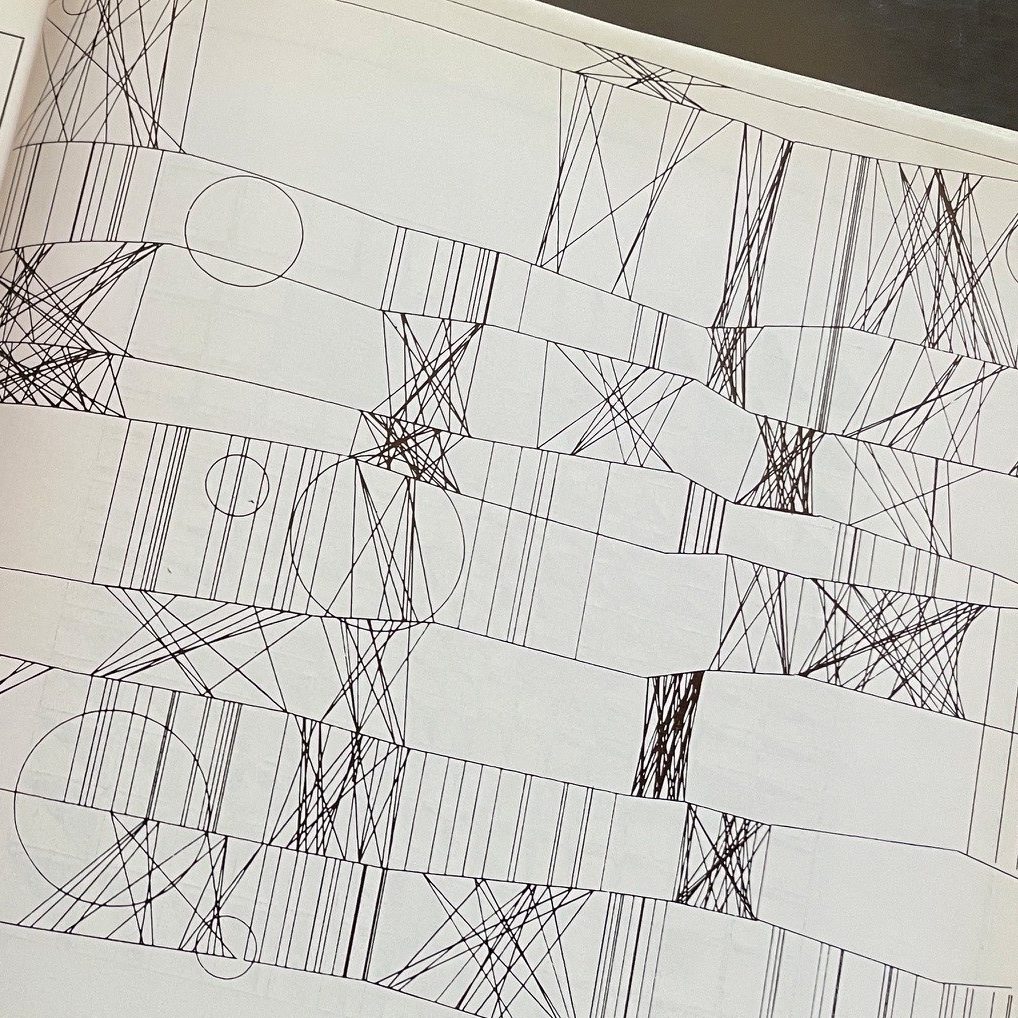
Herbert W. Franke’s Activites as a publicist between 1968 and 1972
Travelling Exhibition “Wege zur Computerkunst” and the Publication of “Computer Graphics – Computer Art“
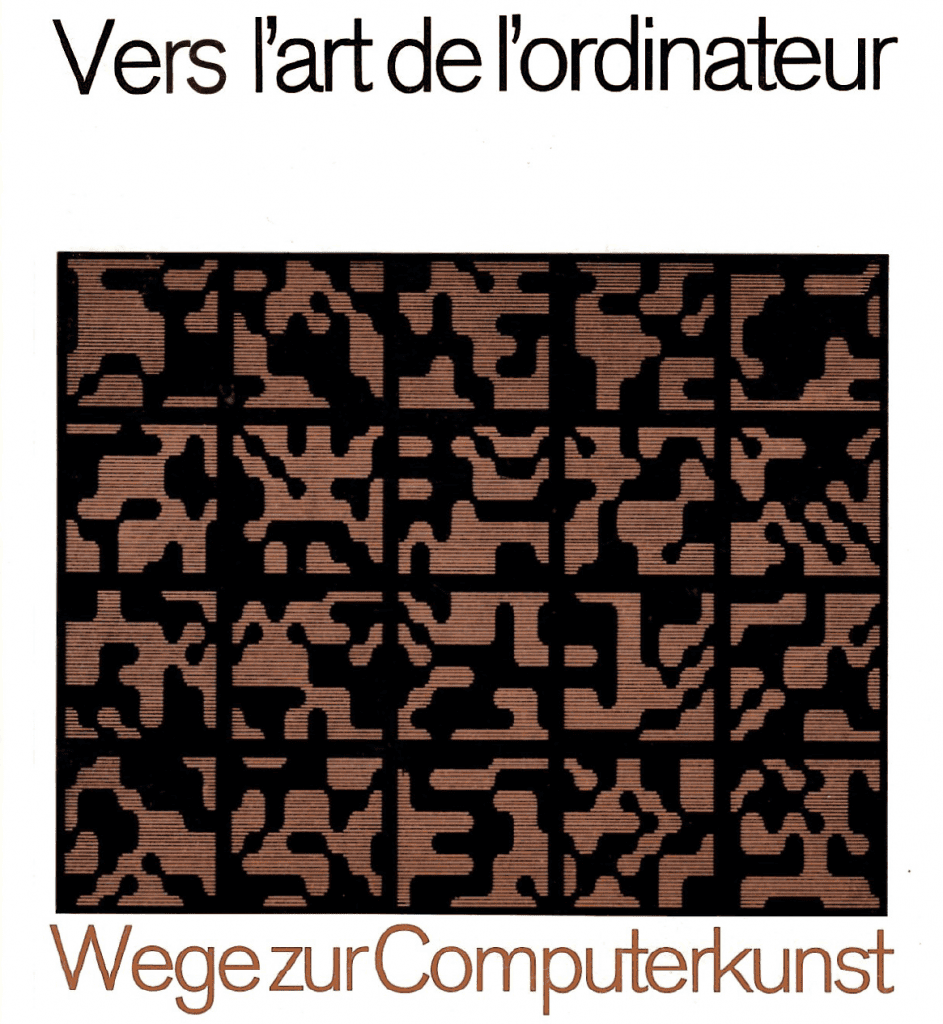
1965 is considered the “birth year” of global computer art. As a freelance artist, Herbert W. Franke did not yet have access to a computer at that time. Theoretically, however, he had been dealing with the topic since the 1950s, when he generated algorithmically produced Oszillogramme using an analog computer. It was not until 1967 that he was able to gain access to a digital computer through Georg Färber, who was then a post-doc at the Institute for Communications Engineering at the Technical University of Munich (TU München). Franke had met Färber in 1966 at the Alpbach European Forum (Alpbacher Hochschulwochen), where Franke held a symposium on rational aesthetics and also displayed the images from his 1959 exhibition at the Museum of Applied Arts. Färber granted him access to a computer system equipped with a plotter. Franke’s iconic Quadrate were created.
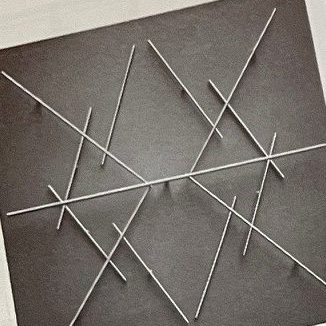
Independent of his own creative activities, Franke placed the art form in its nascent state within the context of a broader understanding of generative art. At its center was the rational approximation of the preceding artistic creation process, rather than the technical tools used to ultimately implement it. This approach formed the basis for an exhibition concept to which he invited artists of various styles, ranging from concrete painting and photography to computer art. Driven by his rational-analytical mindset, he named this exhibition Ways to Computer Art (Wege zur Computerkunst). As early as 1968, Franke succeeded in placing the exhibition in the supporting program of the pioneering summer conference hosted by MIT and TU Berlin, titled The Computer in the University / Der Computer in der Universität. The subsequent tour of Ways to Computer Art, which he initiated, travelled through German and Swiss cities. By 1971, the publication year of his book Computergraphik – Computerkunst / Computer Graphics – Computer Art, the tour led to a collaboration with the Goethe-Institut. Until 1986—and featuring an expanded concept by Franke starting in 1975—the exhibition was shown in around 150 cities worldwide, becoming a decisive historical turning point in the fusion of technology and digital aesthetics.
“Ways to Computer Art” at the Congress With the First Intercontinental Tele-Medicine TV Transmission
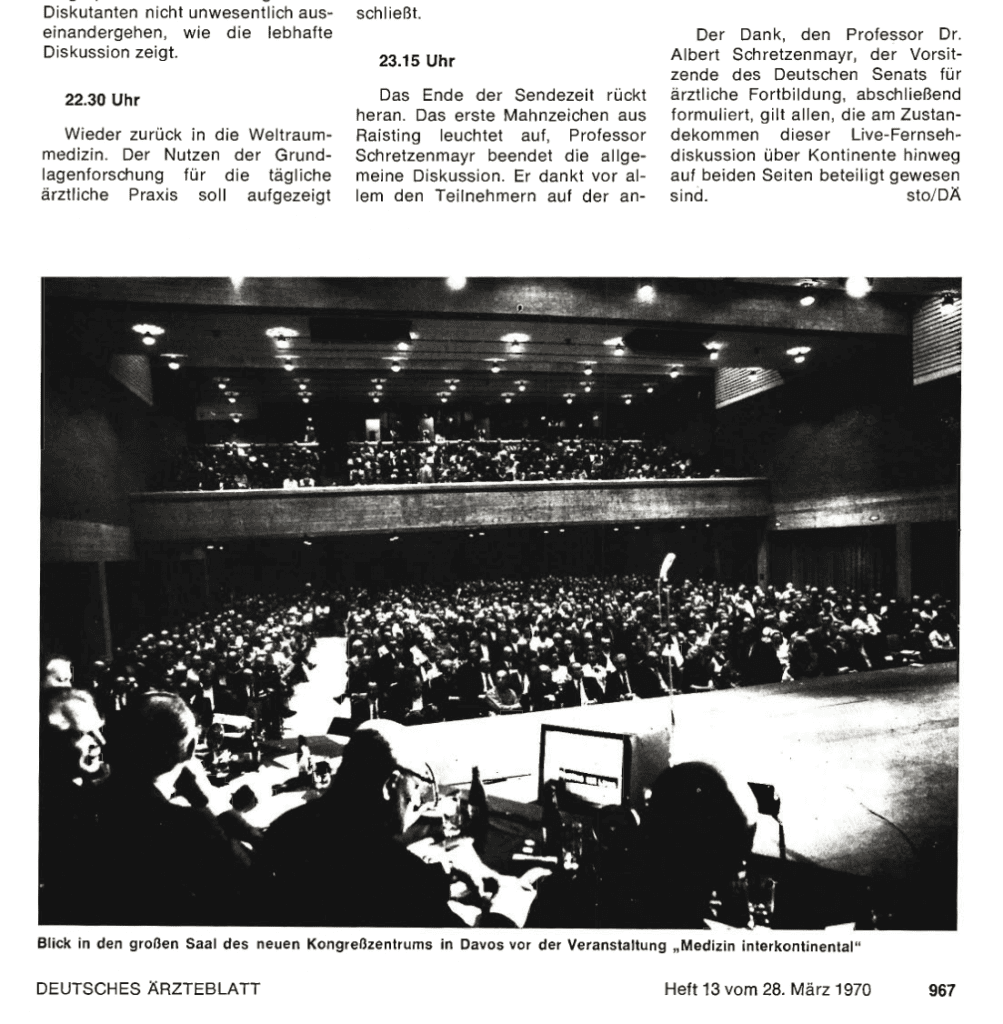
The most prominent early exhibition of Ways to Computer Art took place in March 1970 at the Neue Kongresshalle in Davos, Switzerland—as a supporting program for a medical congress attended by over 3,000 participants. Part of the program on March 13, 1970, was the world’s first teleconference, Medizin Interkontinental. The congress was organized by the German Medical Association (Bundesärztekammer) under the chairmanship of Cologne physician J. van de Loo.
This first intercontinental telemedicine event at the then-brand-new Neue Kongresshalle in Davos was a technological and logistical masterpiece of the Cold War and the early satellite era. Originally, the live broadcast was planned to be even more technologically spectacular. The Medizin Interkontinental program was scheduled to be timed so precisely that live biomedical data from astronauts, who were supposed to be en route to the Moon inside an Apollo capsule at that very moment, would be transmitted to several TV stations for the first time! The European medical audience at various locations was meant to virtually look over the shoulders of the NASA physicians in real time by receiving the telemetric data.
The highly ambitious original plan fell just short due to the realities of spaceflight: NASA was forced to postpone the launch of the Apollo 13 mission to April 11 due to technical problems, meaning the March conference had to proceed without the live telemetry part from space. However, while 3,000 doctors were personally present in the Davos congress hall, the satellite television broadcast from Houston allowed an additional 25,000 physicians in numerous European congress centers, such as Cologne, Munich, and Vienna, to attend in real time.
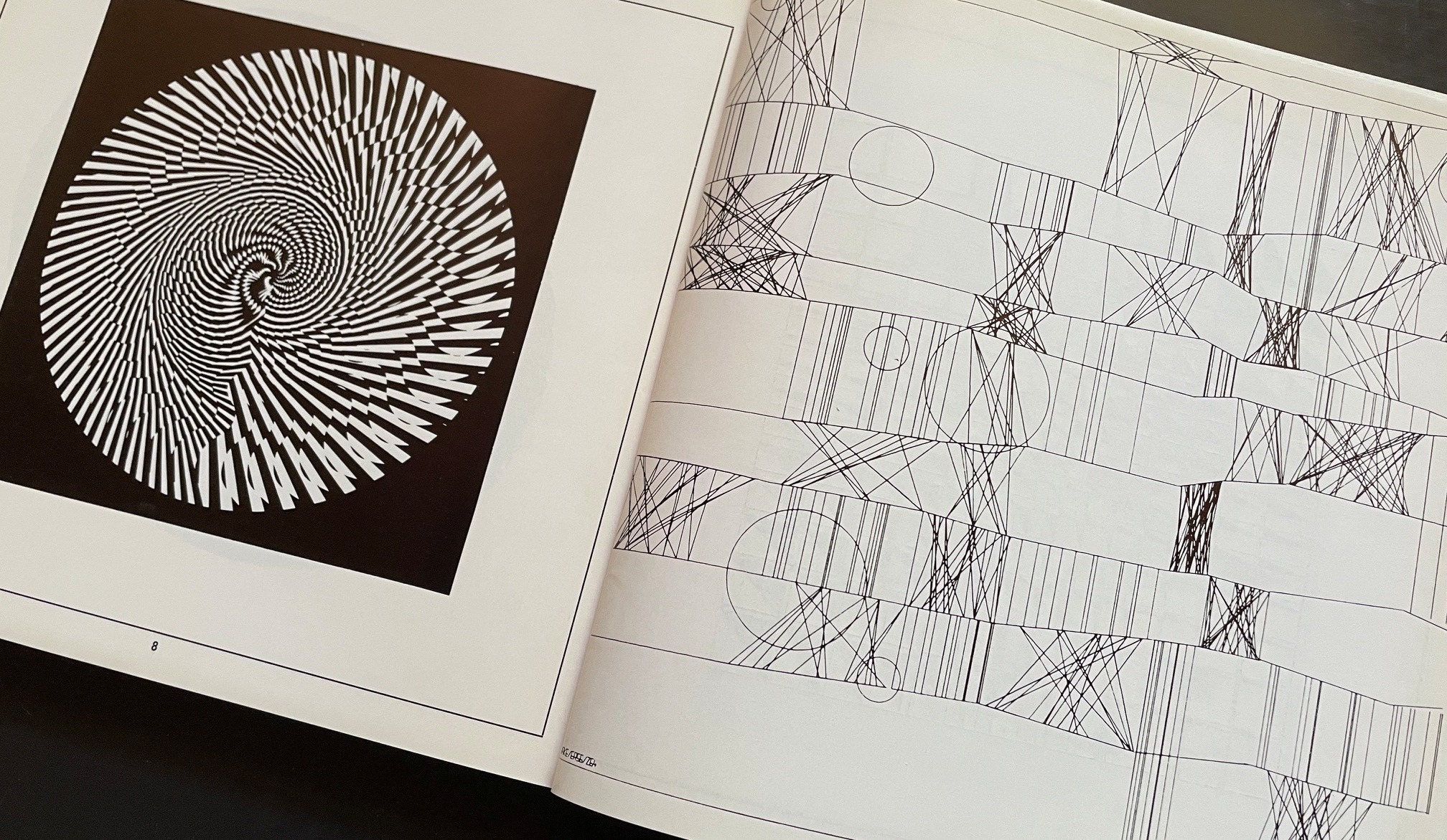
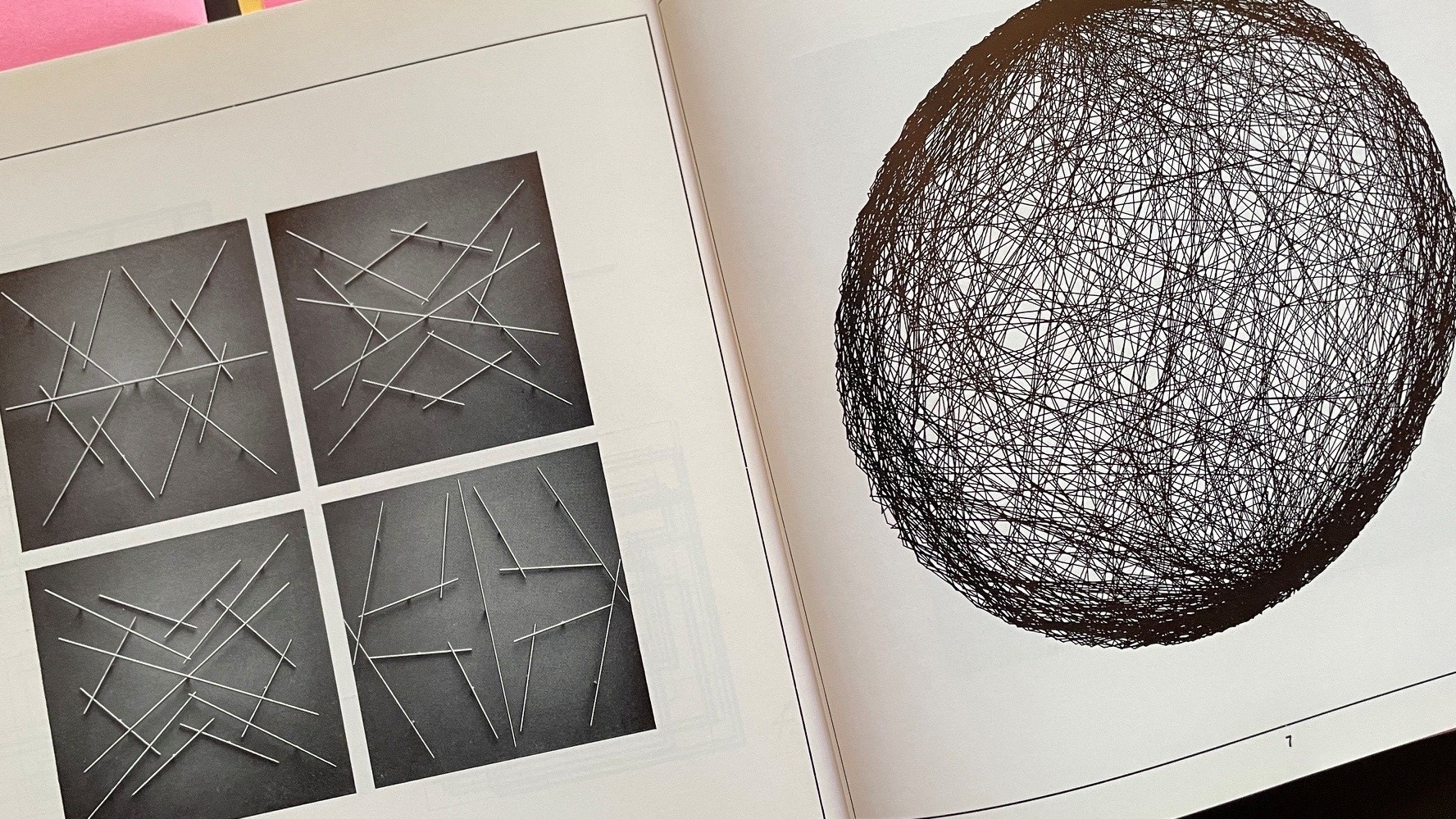
Even without the transmission of live data from space, this first intercontinental live exchange via television was celebrated globally by professionals. Technically, it was made possible through an international collaboration between NASA, the satellite operator Intelsat, the German Federal Post Office (Deutsche Bundespost—which was not yet privatized at the time), and the Swiss PTT.
The year 1971: Exhibition at the IDZ Berlin and the first publication of Computer Graphics – Computer Art
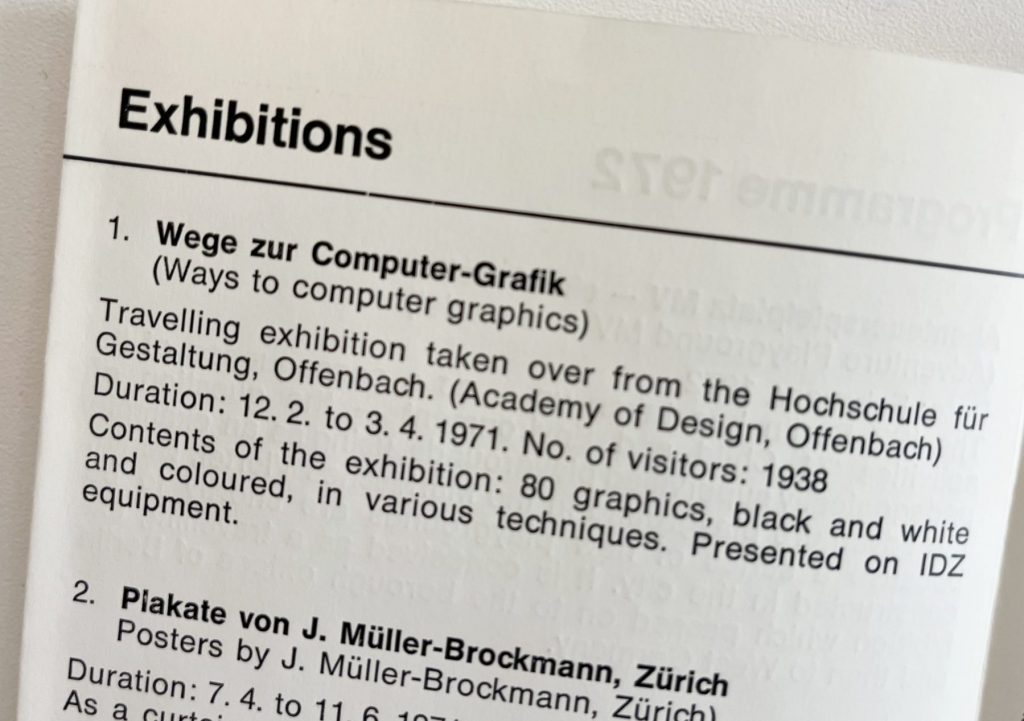
In 1971, the exhibition was also hosted by the prestigious International Design Center (IDZ) in Berlin from February 12 to April 3, where it was accompanied by panel discussions, lectures, and in-depth guided tours. Other stops for Ways to Computer Art in these early 1970s included Karlsruhe, Kiel, Offenbach, Bielefeld, and Göttingen. According to the IDZ, 1,938 people visited the exhibition in Berlin.
The publicly accessible travelling exhibition was also shown in German and Swiss cities as part of the program for regional specialist symposia titled The Computer as a New Instrument for Interior Design (Der Computer als neues Instrument der Raumgestaltung). Finally, in 1971, Franke’s collaboration with the Goethe-Institut began—also based on the exhibition shown in Berlin in 1968. The first two international stations started at the end of 1971 in Cairo and Alexandria, followed by an exhibition series in 1973 in Porto Alegre, São Paulo (as part of the Arteônica exhibition) and other cities of Brazil. Further exhibitions in cooperation with the Goethe-Institut followed in 1973 in Bordeaux, Angers, and Toulouse. You can read more about the early travelling exhibitions Ways to Computer Art between 1971 and 1973 and its integration in the regional symposia The Computer as a New Instrument for Interior Design e in our news report On the Way to Computer Art.
In 1975, commissioned by the Goethe-Institut, Franke conceived the expanded touring exhibition of the same title, which then shown in around 150 cities worldwide.
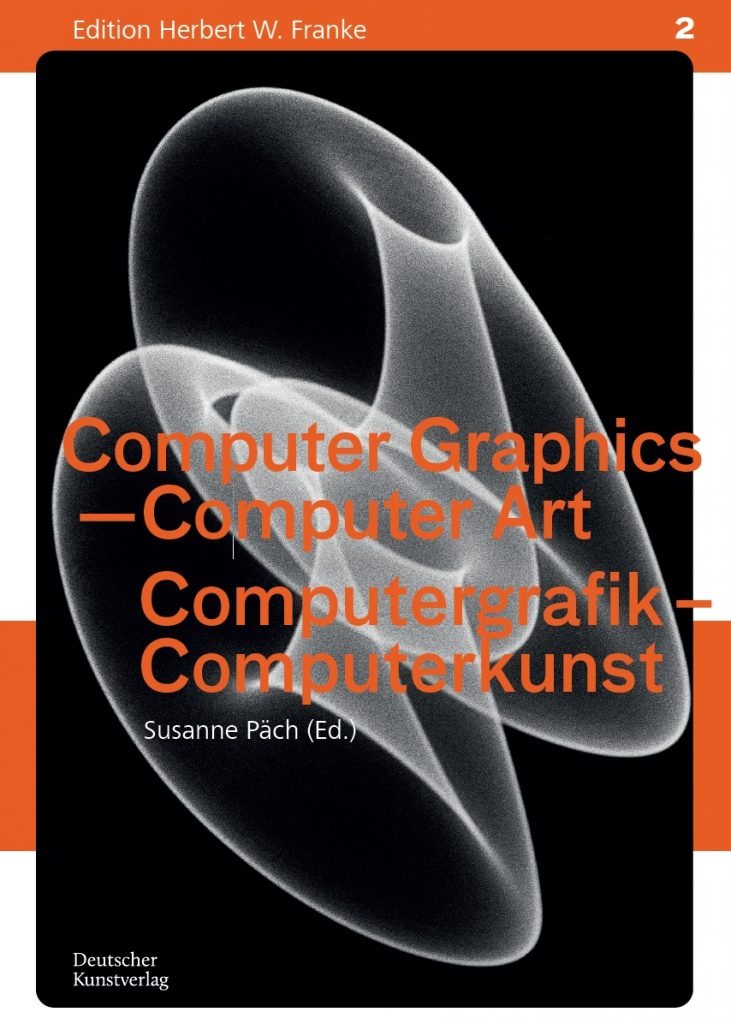
New Publication of “Computergrafik – Computerkunst”
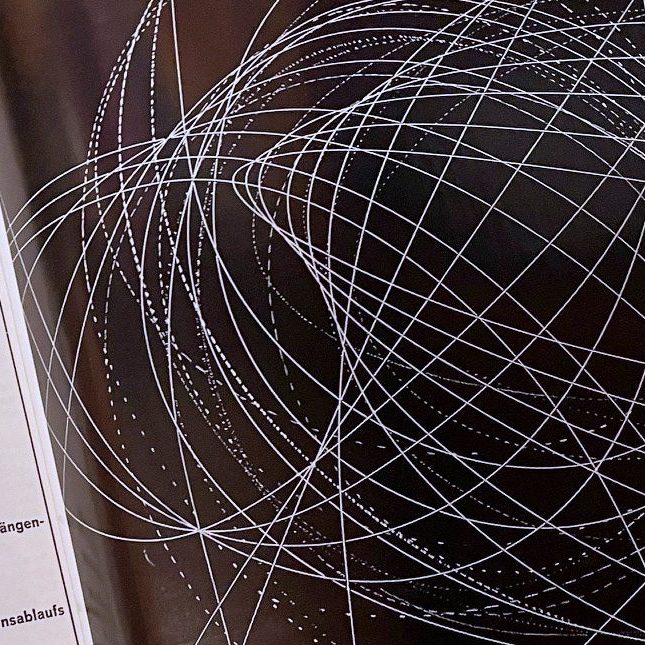
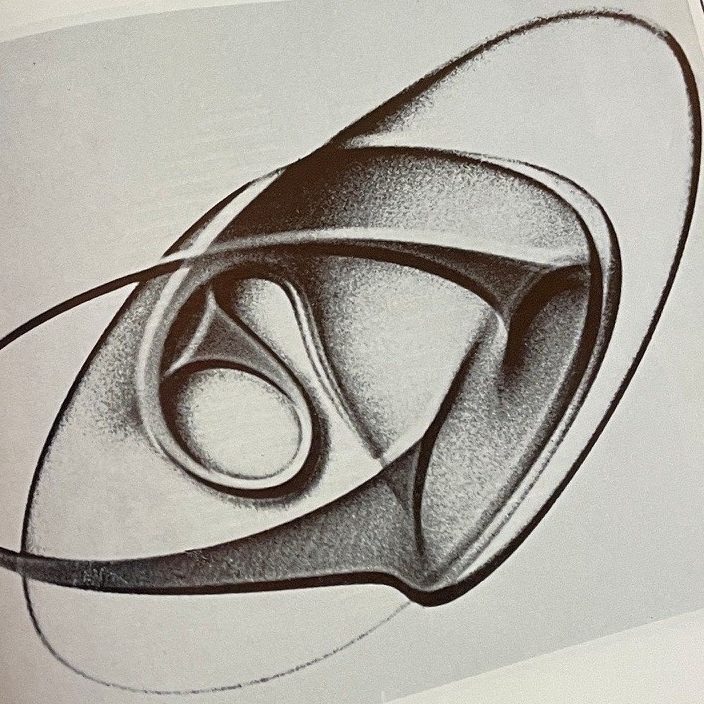
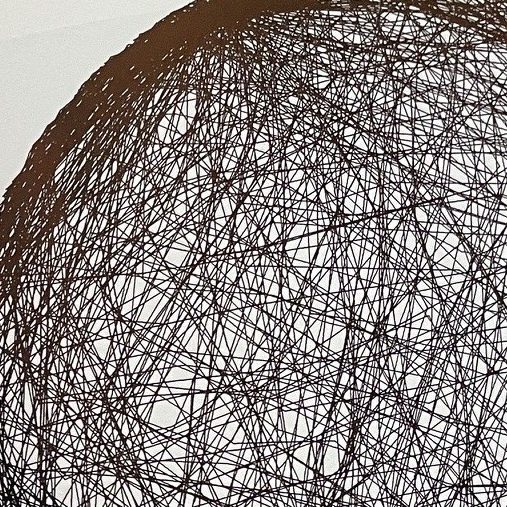
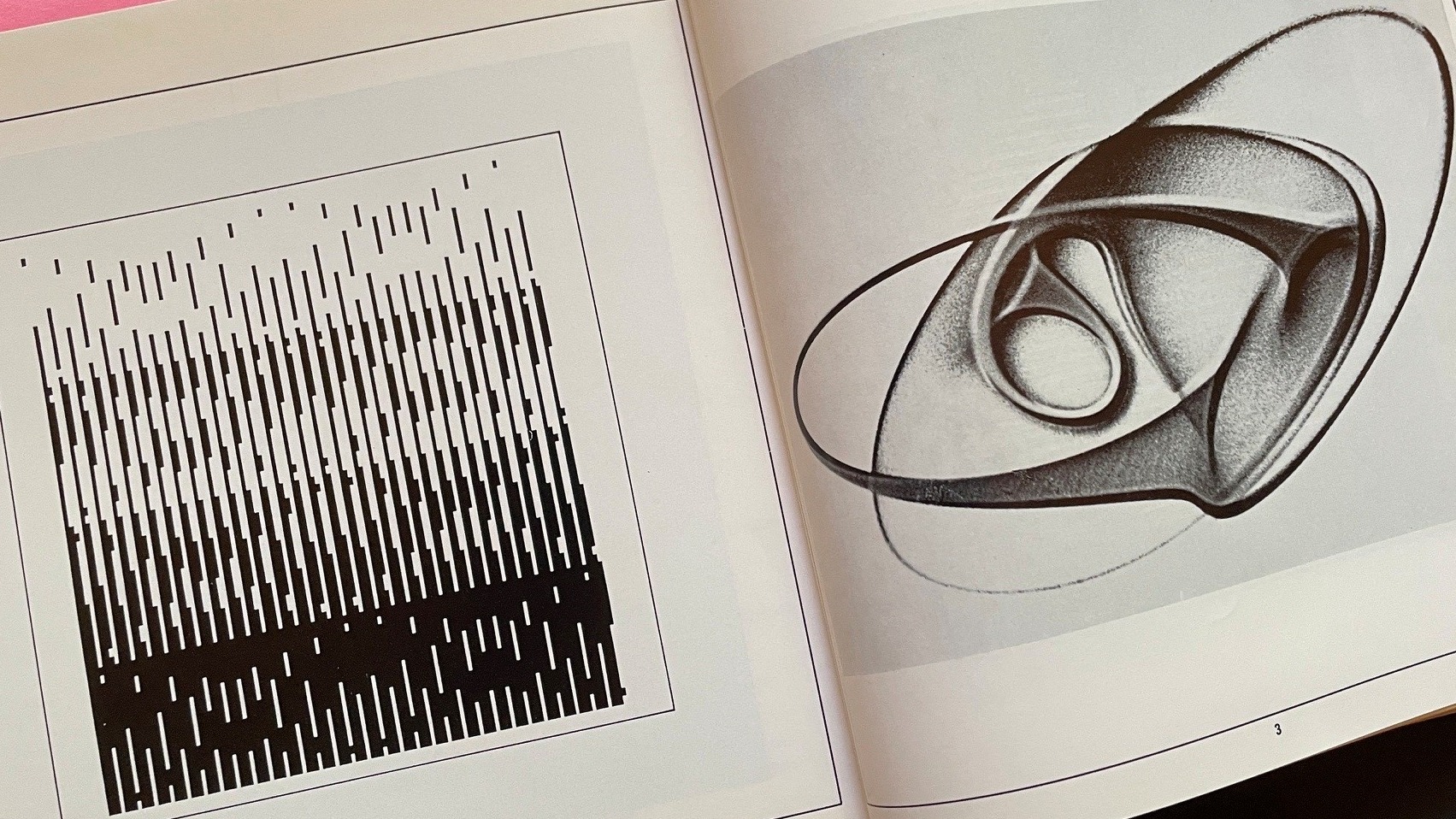
Computergraphik – Computerkunst / Computer Graphics – Computer Art is considered today a milestone in the exploration of this then-nascent art form. As early as 1971, Herbert W. Franke placed these early results within their historical and theoretical contexts and thought far ahead—well into the multimedia future. The spectrum of his text ranges from the systematic description of the technologies available at the time and foundational considerations of information aesthetics to the presentation of over 80 works that are today regarded as icons of computer art. The book has inspired generations of artists, sustainably shaped the discourse on art theory, and has lost none of its fascination to this day. Published as the second volume of the Edition Herbert W. Franke, this new edition is supplemented by further programmatic texts by the author as well as scholarly commentaries by media art theorist Grant D. Taylor and computer scientist Martin Warnke (Leuphana University), which fundamentally contextualize the significance of his work.
In his contribution The Generative Impulse, Taylor describes the book as “a groundbreaking achievement, a pioneering survey, and a lasting testament to the creative possibilities of emerging technologies.” Taylor emphasizes the enduring nature of Computer Graphics – Computer Art, which has remained relevant for generative art to this day, writing: “Over the decades, it has been included in all primary selected bibliographies, firmly establishing its canonical status. However, its significance goes beyond its role as a foundational reference. … Franke’s vision has significantly contributed to the definition of the field, and his legacy continues to influence our comprehension of the dynamic interplay among the realms of art, science, and technology.” Furthermore, in Understanding Herbert W. Franke’s Computergraphik – Computerkunst, Warnke takes a look back at the era when the book and its featured works were created: it was characterized by massive machines to which only large institutions could grant access. Artists rarely found opportunities and simultaneously showed little interest, while the mainstream art world remained completely indifferent. Warnke also contextualizes the significance of the book in today’s artistic landscape: “Franke’s theories and observations from that time could provide explanatory approaches for today.”