
Two Pioneers: A Decades-Spanning Dialogue between Art and Science
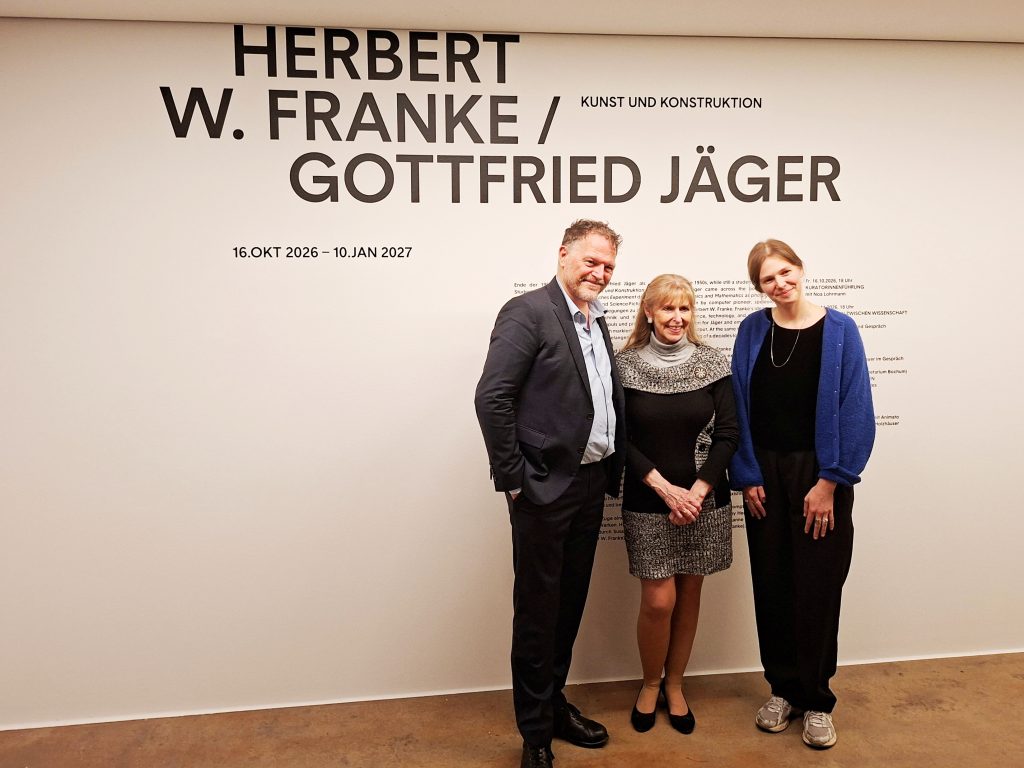
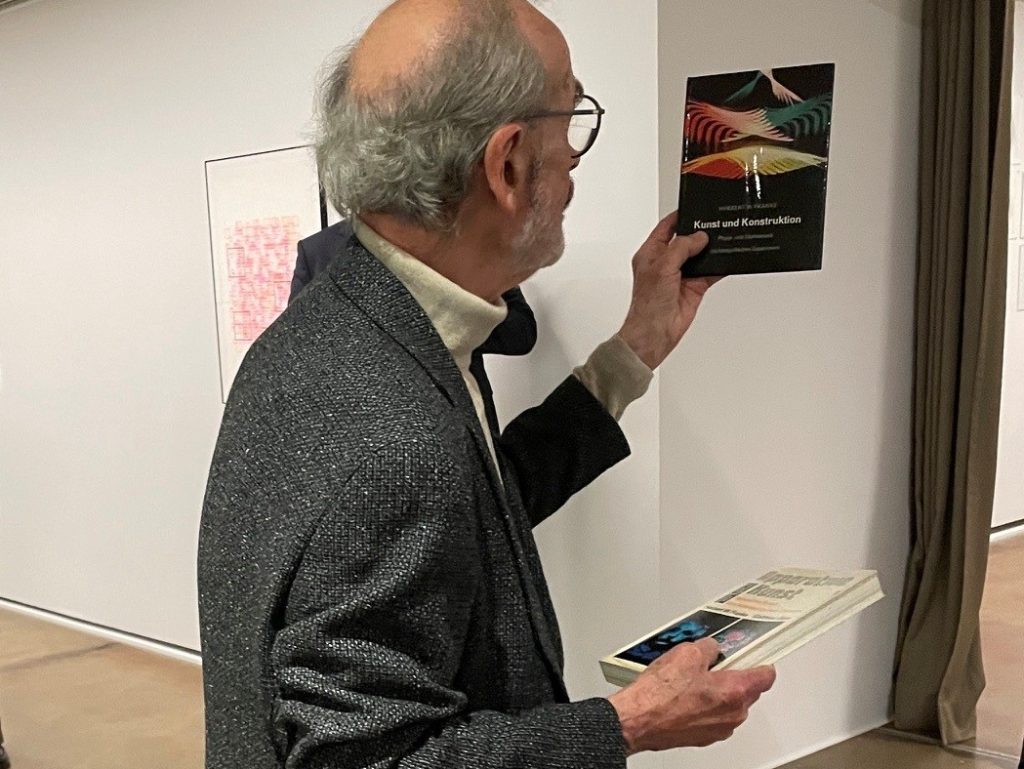
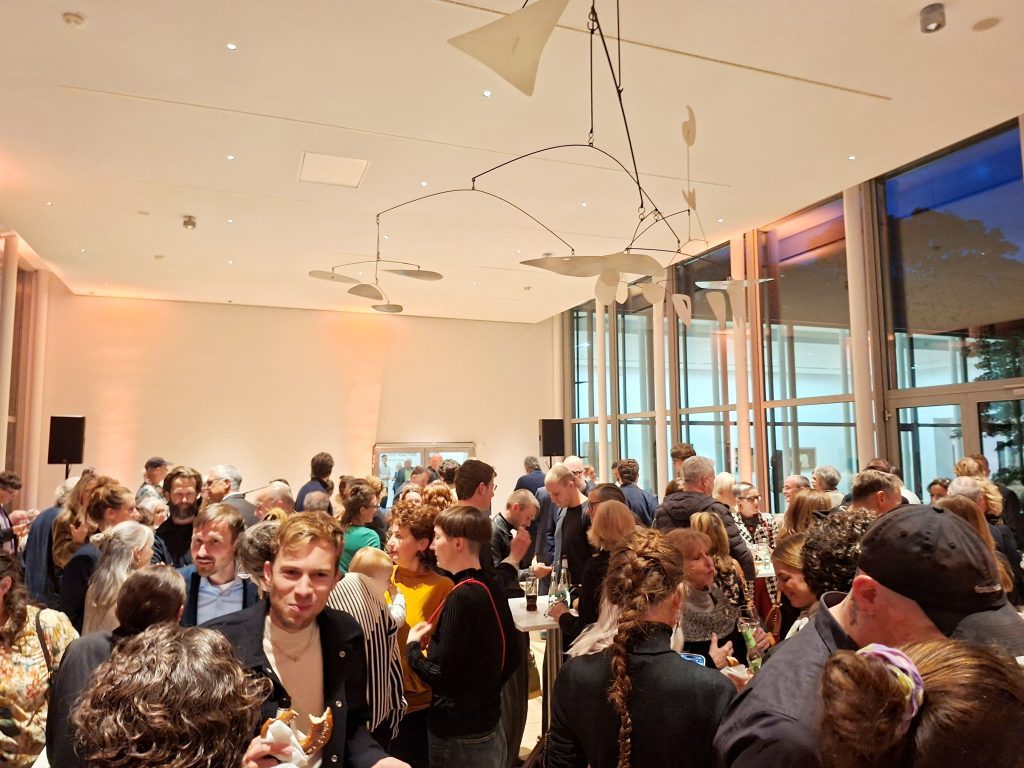
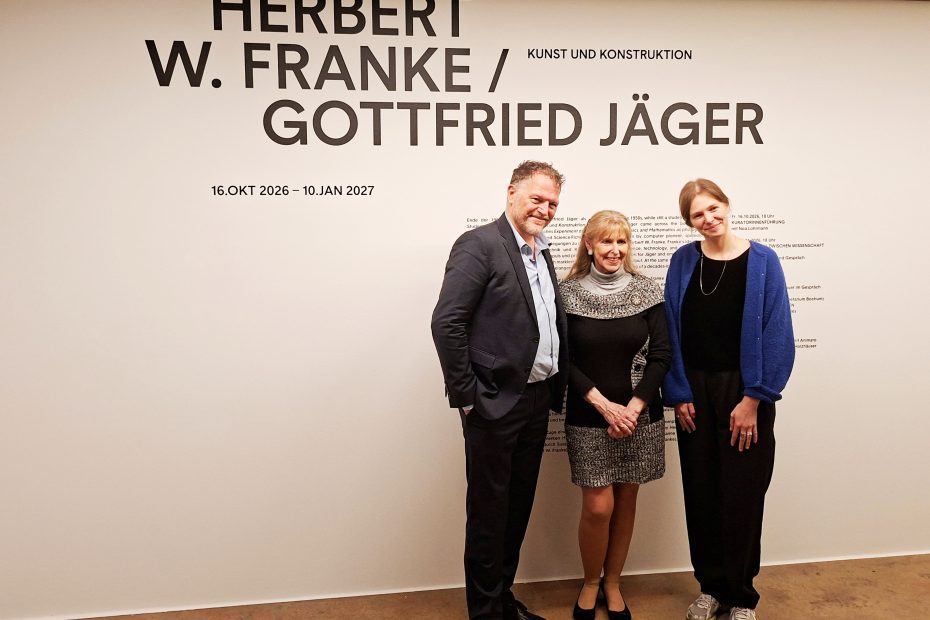
The experimental years of non-representational photography were marked by debates and position statements articulated by a young generation. After Gottfried Jäger discovered the book Kunst und Konstruktion (Art and Construction) by computer pioneer and science fiction author Herbert W. Franke in 1958, an artistic exchange developed over the course of decades. The Opening of the exhibition in Museum Folkwang took place yesterday, October 9.
HERBERT W. FRANKE / GOTTFRIED JÄGER
Art and Construction
Museum Folkwang, Essen 2026, Oct 16 – 2027. Jan 10
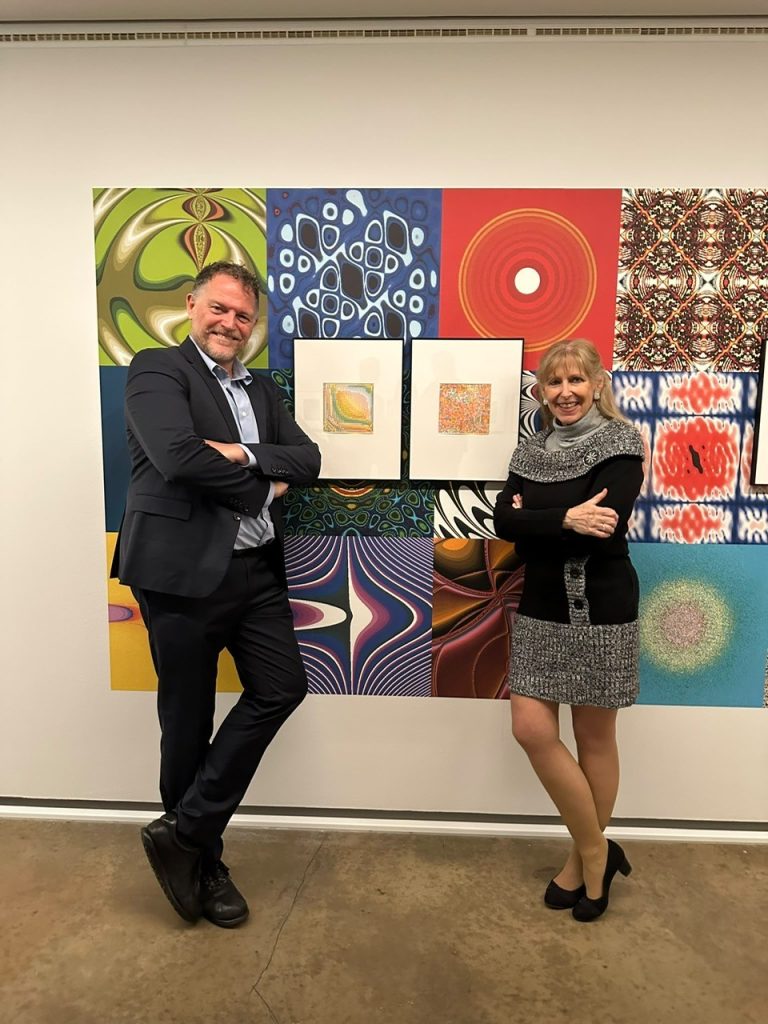
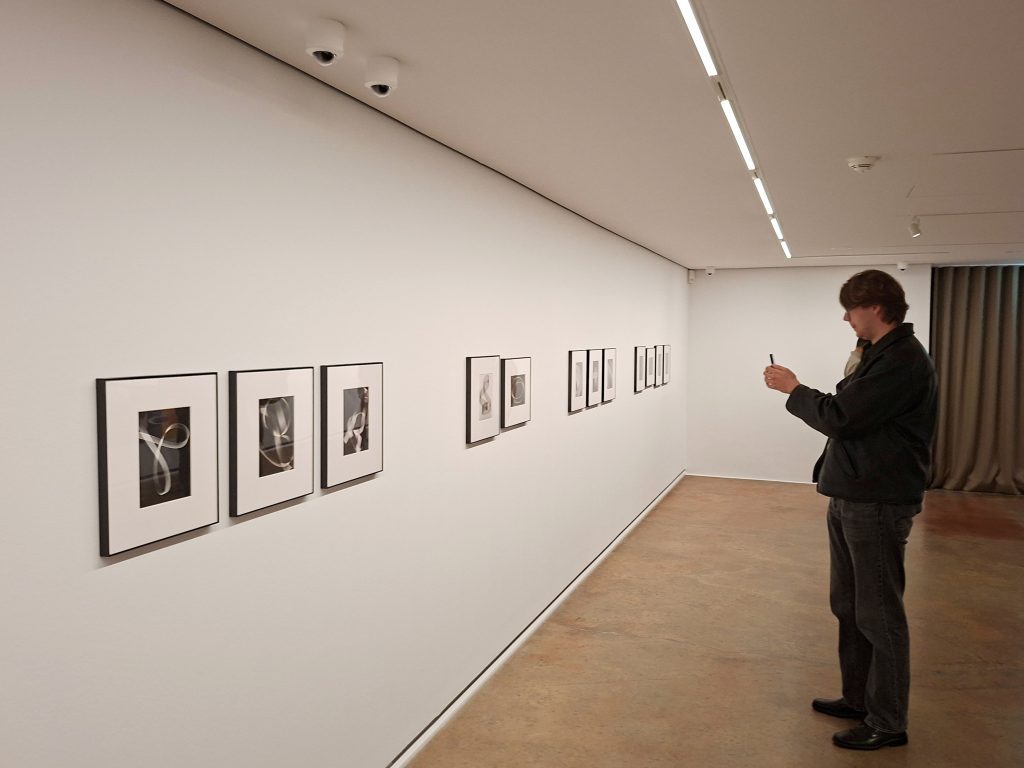
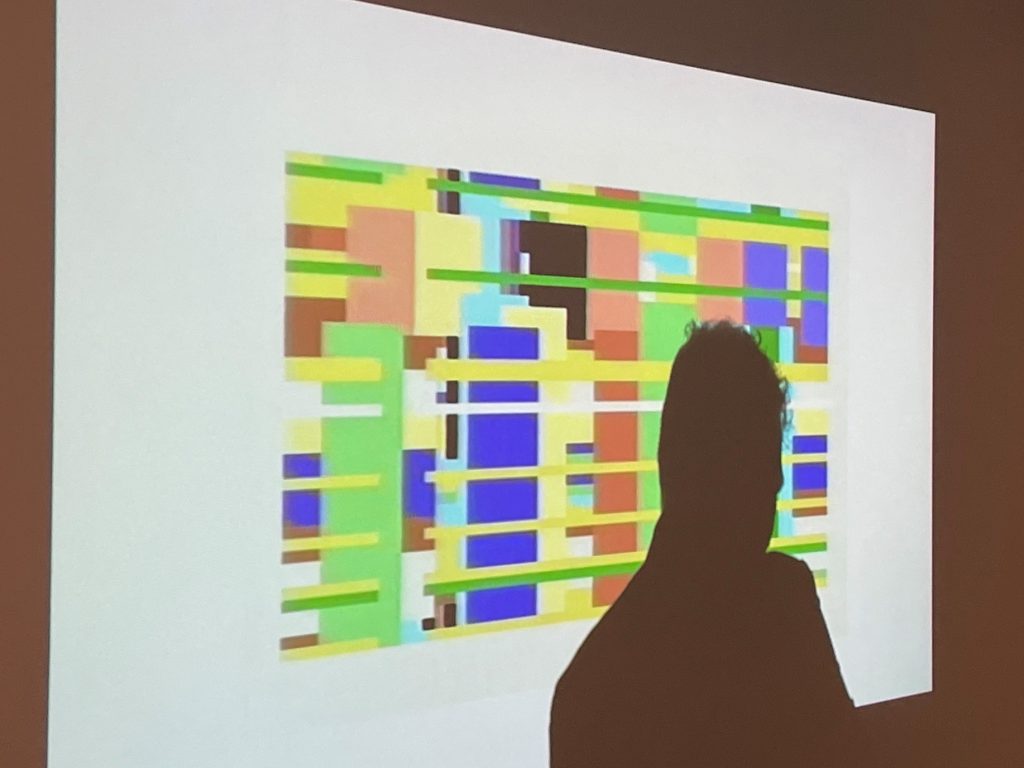
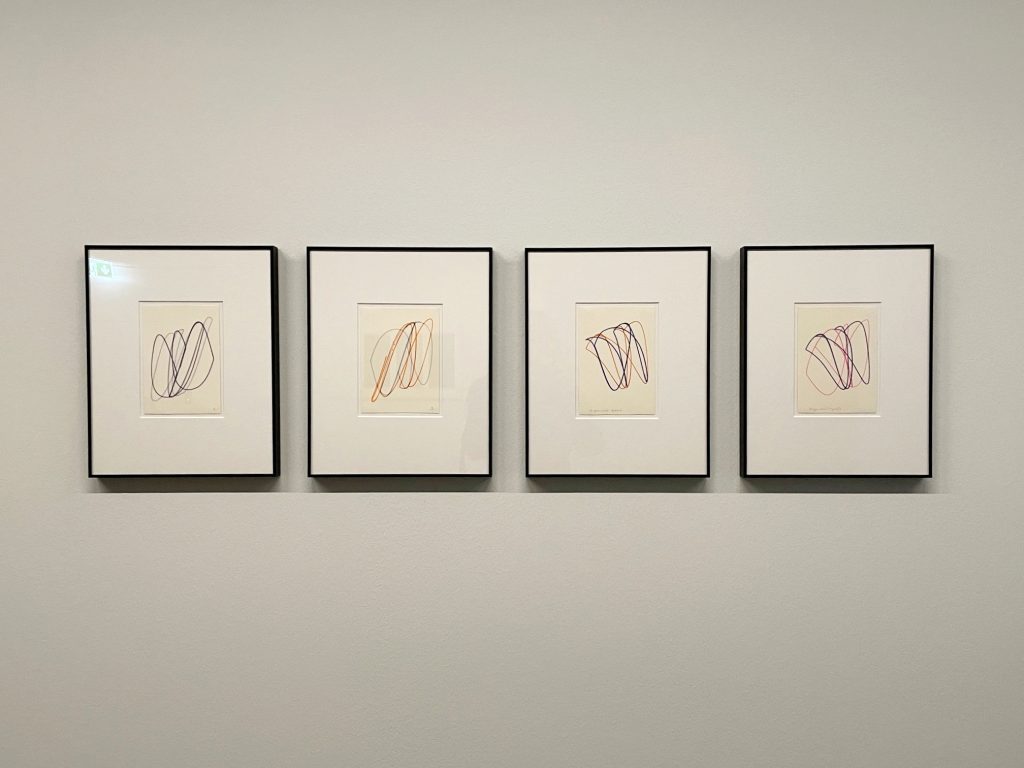
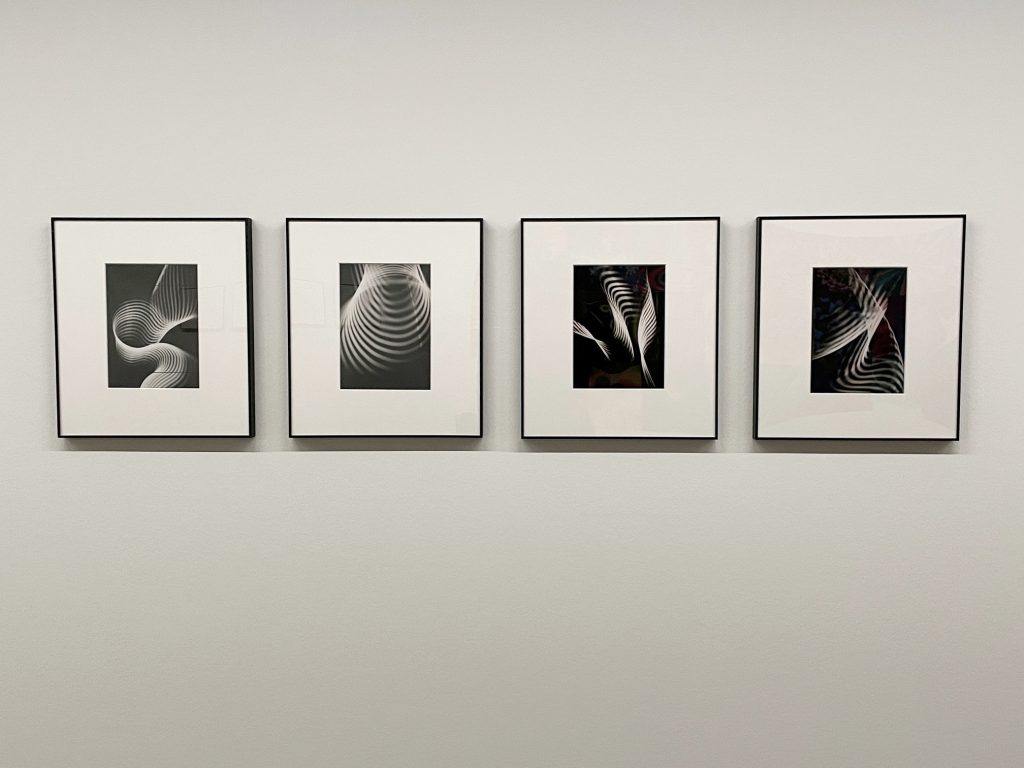
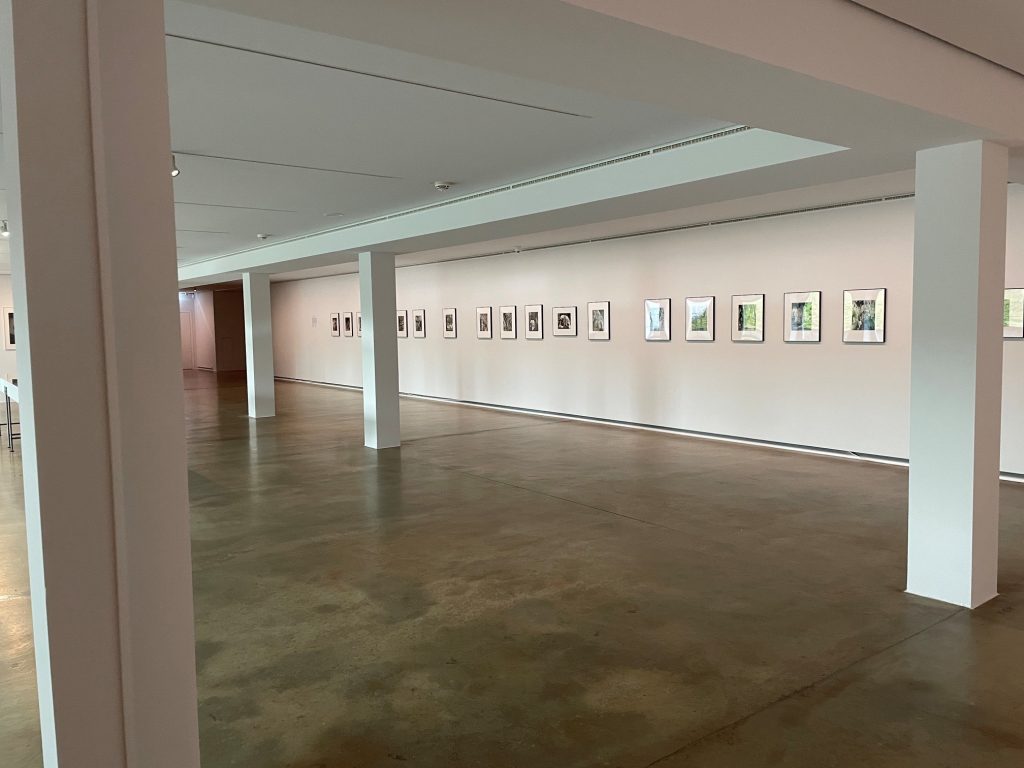
Series by Herbert W. Franke (1927-2022) that can be seen at the exhibition: Generative Photography (1950s), Quadrate (1970), DRAKULA (1970/71), Fischertechnik-Plots (~1970), Farbraster (1973), MONDRIAN (1979), Math Art (1980s) – and shown first time ever a series of speleothem art photography (1960s). The exhibition presents images of a donation of Susanne Päch and the Foundation; it comprises photographs, graphics, videos, and computer animations from various creative phases of the artist.
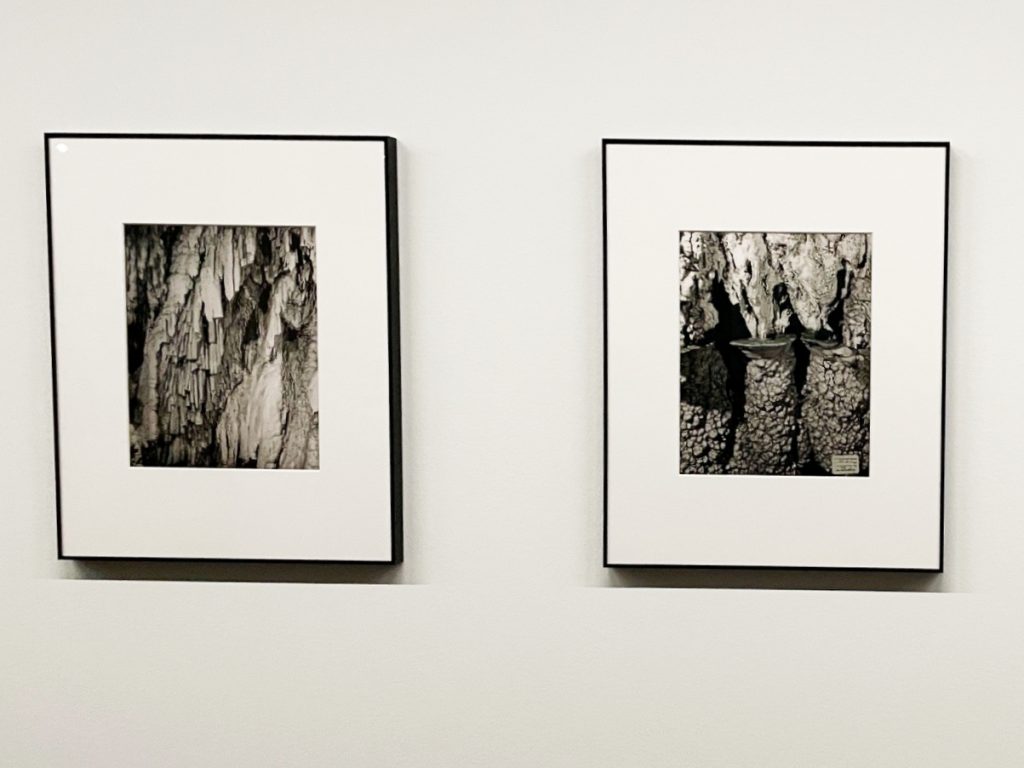
Premiere at Folkwang: An aesthetic speleothem photo series of the subteranean world
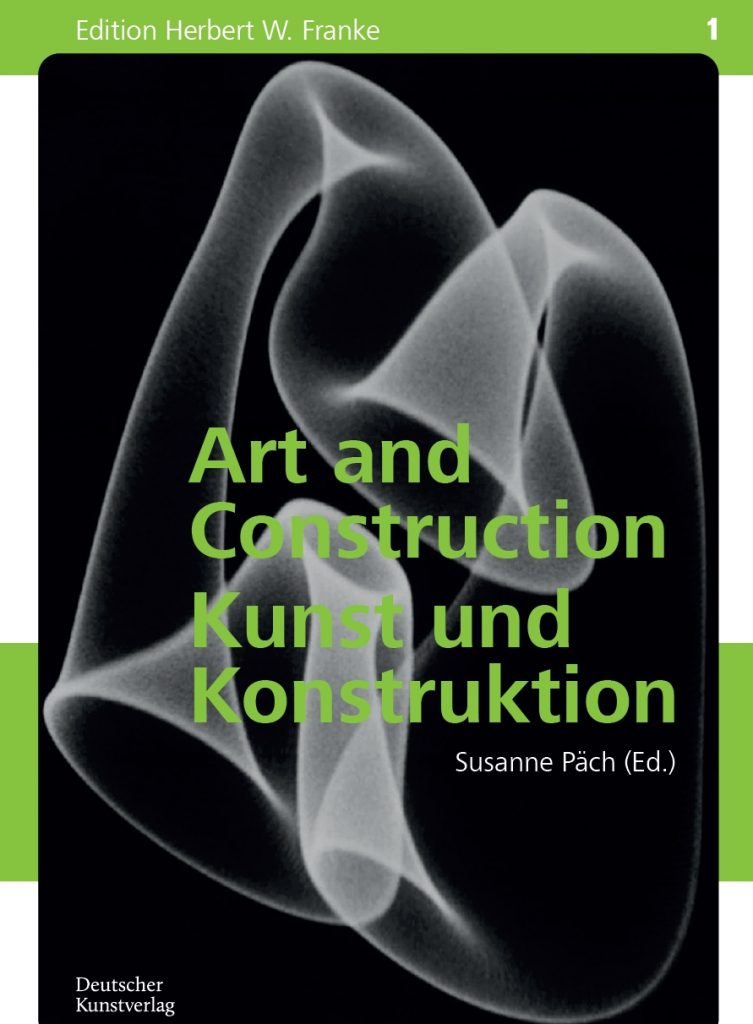
For the first time, Museum Folkwang is exhibiting Herbert W. Franke’s aesthetic speleothem photography, a pioneering series dating back to the 1960s. Franke’s fascination with the dark world of dripstones in Austrian caves began during his student years shortly after World War II—a passion that would shape his entire life. As a physicist, it led him to pioneer the theory of C14 dating for these structures in 1951. Because speleothem growth can be modeled as a continuous mathematical function, resulting in the formation of smooth curves, it also inspired Franke’s foundational ideas on the 1950s art series like the Oscillograms, Light Forms, and on rational aesthetics. He bridged the gap between physics and art in his iconic 1958 book Art and Construction: Physics and Mathematics as Photographic Experiments (newly released in a 2026 print and online edition by DKV). This very book was read by photography student Gottfried Jäger (*1937), sparking a lifelong artistic exchange and a deep, enduring friendship.